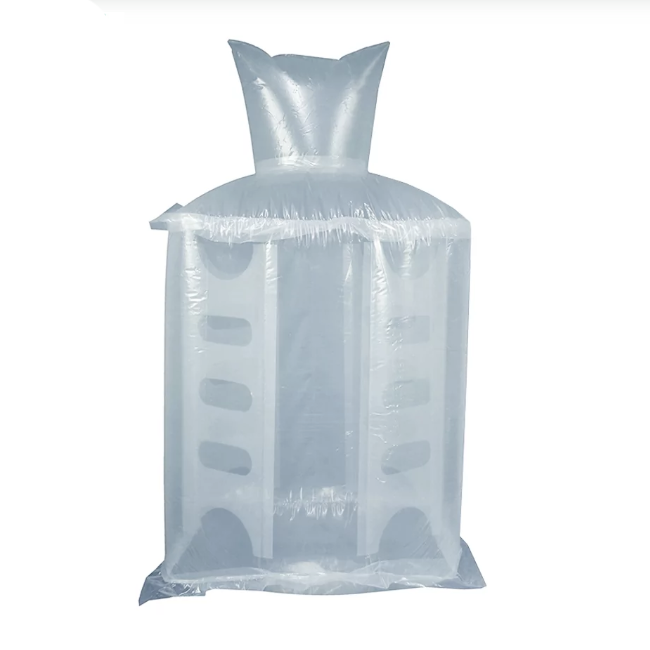
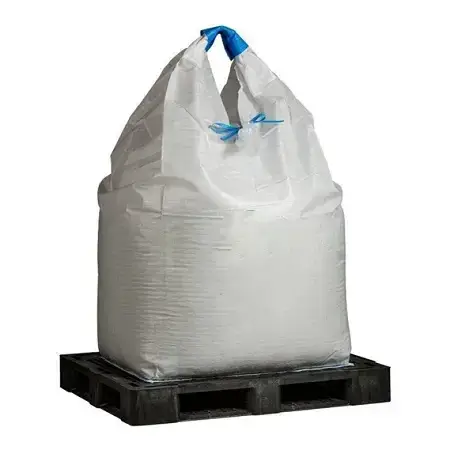
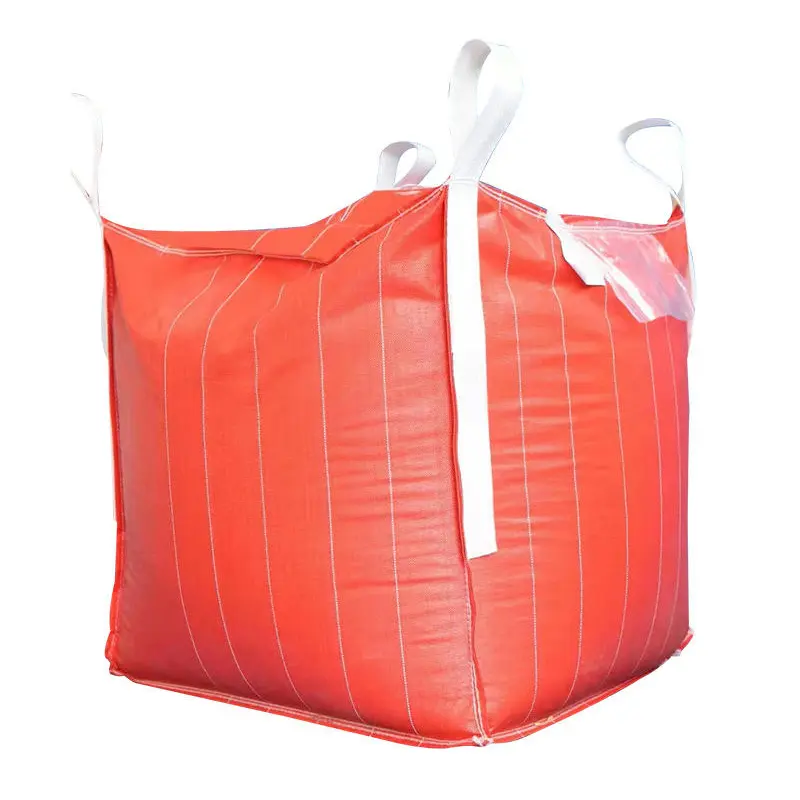
FIBC bulk bag refurbishment is a controlled process for evaluating and preparing eligible used flexible intermediate bulk containers for another filling cycle. It involves identifying the bag and its previous contents, screening for damage, applying an appropriate cleaning method, replacing permitted components, completing inspection and any required testing, and recording the release decision. The starting condition matters: the bag must be designed for the intended repeated use. Cleaning does not make a single-trip bag reusable, and a new liner does not restore damaged fabric or lifting loops. The result should be a documented decision about a defined use, not simply a cleaner-looking bag.
What Does FIBC Bulk Bag Refurbishment Mean?
Reconditioning Prepares an Eligible Bag for Reuse
The terms refurbishment and reconditioning describe the work performed between an emptied bag being returned and its possible next use. Collection, inspection and cleaning are distinct activities. A bag can complete one activity without qualifying for the next: arriving at a cleaning facility does not establish its suitability for refilling.
In a defined program, the question is not whether refurbished FIBC bulk bags look presentable. It is whether the particular bag, its condition and its recorded history meet the requirements for the proposed cycle. A useful processing agreement therefore identifies the accepted bag designs, intended contents, rejection criteria and responsibility for release before bags are collected.
Reuse and Recycling Are Different Outcomes
Reuse keeps the container in service as packaging. Recycling instead concerns recovery of its material after withdrawal from service, subject to the receiving facility’s acceptance requirements. A rejected bag should not be described as reusable merely because its polypropylene has material-recovery potential.
ZhengYi FIBCs supplies FIBC bulk bags in different filling, discharge and lifting configurations. Those product choices help define the packaging required; they do not, by themselves, establish whether a returned bag can be reconditioned.
Which FIBC Bags Are Eligible for Reconditioning?
Single-Trip vs Reusable FIBC Bags
ISO 21898:2024 distinguishes different service categories. For refurbishment planning, the important distinction is that permission to reuse and permission to repair are not interchangeable.
Service category sets the starting boundary
| Category |
Intended service |
Reconditioning boundary |
| Single-trip |
One filling |
Not eligible for another filling. Liner replacement or repair does not change that category. |
| Standard-duty reusable |
A limited sequence of fillings and discharges |
A damaged bag cannot be reused or structurally repaired for reuse. Replacing a removable liner is not considered a repair. |
| Heavy-duty reusable |
Repeated fillings and discharges, with repairability included in the design |
The repaired area must achieve at least the original tensile strength. Repairability does not authorize improvised patching or stitching. |
Keep a repairable bag outside the ordinary reuse stream while a repair decision is pending. It should return only through the applicable repair and acceptance procedure, not through a general cleaning approval.
Read the Service Category, Not Just the Safety Factor
The safety factor relates test loading to safe working load; it is not a count of permitted trips. A 6:1 marking does not mean six uses, nor does a higher test margin establish an unlimited life. Read the permanent identification, original specification and use instructions together. When those records do not establish the bag’s duty, a visual assessment cannot supply the missing authorization.
The FIBC Bulk Bag Reconditioning Process, Step by Step
The following sequence separates the main decisions in a refurbishment program. Individual facilities may organize operations differently, but every returned bag needs a clear status: accepted for further assessment, held pending a decision, rejected, or released for its specified use.
Step 1 — Identify the Bag and Review Its Previous Use
Connect the returned bag to its manufacturer or type reference, original specification, previous contents and available cycle records. Record known handling incidents and unusual storage conditions alongside its identification. An unexplained gap in the history is a different issue from a removable surface deposit; cleaning cannot resolve that gap.
A practical intake record should answer two questions: which bag or controlled batch has arrived, and what evidence supports its intended next use? Separate unidentified returns while records are investigated. Combining them with traceable bags makes it harder to show which items have actually been assessed.
FIBCA recommends a closed-loop approach in which bags return to the same product and application, with cooperation between the relevant manufacturer, purchaser and user. Reconditioning is not a general route for converting unknown used packaging to a different commodity.
Step 2 — Carry Out FIBC Inspection Before Reuse
Review the body fabric, base, seams, lifting loops and their attachment areas, then the filling and discharge features, closures and liner. Record the location and nature of each concern. A stain, an open seam and an abraded lifting loop require different decisions; one overall note saying “used condition” cannot distinguish them.
FIBCA identifies damaged lifting straps, contamination, moisture or mold, splinters and unreadable essential printing as rejection concerns. These are not ordinary cosmetic defects to pass through cleaning without a decision. In particular, do not treat a damaged load-bearing area as acceptable because the rest of the bag appears intact.
Include storage exposure in the review. UV protection is not a promise that a bag can remain outdoors indefinitely, and weathering varies with material and environment. A clean surface cannot establish how previous exposure has affected suitability. Unresolved exposure concerns belong in the assessment, not behind a new label.
Step 3 — Apply the Approved Cleaning and Drying Procedure
Cleaning needs a defined objective: identify the residues to be controlled, the surfaces involved and the acceptance criteria for the intended contents. Then select the procedure approved for that bag construction and application. Professional reconditioning programs can include cleaning and drying, but that does not make one washing method appropriate for every FIBC.
A request to “wash until clean” leaves important questions unanswered. Does the requirement concern visible foreign material, a product-specific residue or a hygiene hazard? Which observation or test demonstrates acceptance? Who decides when a bag fails? Those questions should be settled before processing rather than after a difficult residue is found.
Do not improvise cleaning agents, heat treatment or compressed-air methods from a generic article. Their suitability depends on the previous contents, bag materials and processing environment. Where the approved process introduces moisture, its drying requirement must be completed before packing. Drying is not a way to override an earlier contamination or mold rejection.
Step 4 — Replace Permitted Components Without Changing the Bag’s Duty
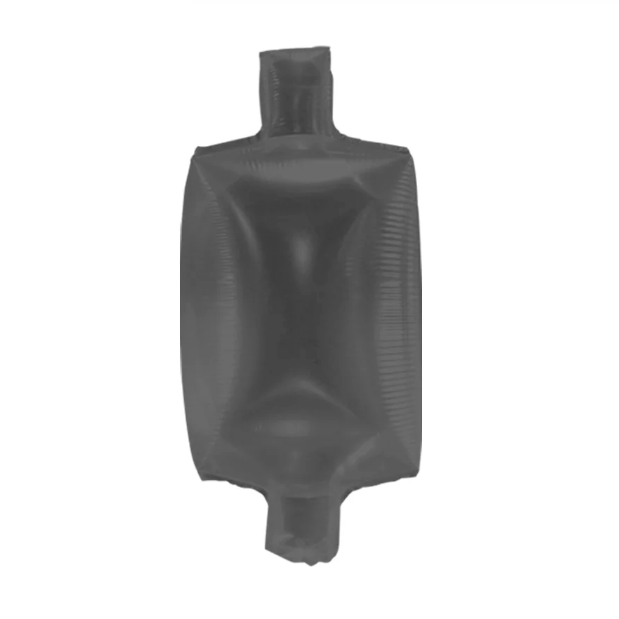
Component replacement should follow the original design and the program’s permitted scope. A closure tie, removable liner and structural lifting loop perform different functions; they cannot be grouped under one instruction to replace worn parts. Any proposed structural repair belongs under the service-category restrictions already established.
For an approved liner replacement, match the film specification, shape, attachment arrangement and filling and discharge interfaces. The liner should suit the whole package, not merely fit through its opening. A substitute with a different spout position or attachment arrangement can leave the replacement scope technically different from the specified assembly.
ZhengYi FIBCs lists PE inner liners for FIBC jumbo bags with form-fit and spout configurations. These options provide a basis for discussing liner dimensions and construction. They are not evidence that a particular used outer bag is eligible for reuse.
Maintain the original identity when replacing permitted labels or identification items. Restoring legibility must not conceal prior use, assign a new load rating or make a single-trip bag appear reusable.
Step 5 — Complete Final Inspection and Program-Defined Testing
Final inspection checks the completed work against the recorded requirement. Was the correct liner installed? Are the intended openings and closures usable? Has cleaning reached its acceptance condition? Do the bag identification and processing record still correspond? A completion stamp is useful only when the checks behind it are defined.
Inspection and testing answer different questions. FIBCA’s reuse guidance includes random selection for top-lift testing, with sampling frequency and quantity determined for the situation. This is not an instruction to proof-load every returned bag or conduct an improvised lifting test with a forklift.
For any program-defined test, the report should identify the samples, associated lot, method, result and acceptance decision. A passing sample result does not cancel a defect found in another bag. Equally, an original design test does not describe the current condition of every returned container. Keep those evidence boundaries clear.
Step 6 — Record the Release Decision and Protect the Bag Until Refilling
A reconditioned FIBC bulk bag should leave processing with a recorded status and destination. Identify who authorized release and the contents and operating conditions to which that decision applies. Bags awaiting investigation must remain distinguishable from released stock; proximity to an accepted pallet should not become an accidental approval.
Protect accepted bags against contamination and unsuitable storage while retaining their connection to the processing record. A clean bag exposed again during packing or transport creates a new issue that an earlier inspection cannot resolve. The handover should therefore cover the condition in which bags are delivered, not only the condition observed on the inspection bench.
Repeat the review when the bag returns again. A previous release is evidence about a previous decision, not an automatic authorization for every subsequent filling.
When Does the General Reconditioning Workflow Stop Applying?
Food-Contact Use Needs Application-Specific Hygiene Evidence
For food-contact packaging, visible cleanliness is only one consideration. The assessment also needs to address prior contents, relevant contamination hazards, the suitability of product-contact materials and the evidence supporting the cleaning process. A new liner does not, on its own, resolve all of those questions.
FIBCA’s food-safety guidance calls for processes suited to the particular application. Consequently, “food grade” should not be carried forward as an automatic claim after refurbishment. Define what the next food-contact use requires and obtain the relevant acceptance evidence before release; do not infer it from the appearance of white fabric.
Electrostatic Protection and Dangerous Goods Need Separate Review
In electrostatically sensitive applications, assess the bag and liner together. IEC 61340-4-4 addresses FIBCs, inner liners and related components, including their classification and use in explosive atmospheres. Changing a liner or another relevant component can affect the configuration being evaluated. “Anti-static liner” is not a substitute for establishing compatibility with the complete package and operating conditions.
Dangerous-goods transport is another separate boundary. ISO 21898:2024 covers FIBCs for non-dangerous contents; the general workflow here does not establish eligibility to reuse a dangerous-goods package. Applicable packaging approvals, transport requirements and manufacturer instructions must be assessed separately. A cleaning record must not be presented as renewed UN approval.
What Records Support a Reconditioned Bag’s Release?
For FIBC bulk bag reuse, build the record around the decisions it needs to support. The following structure is useful when reviewing a reconditioning program or agreeing what information should accompany returned bags; it is not a replacement for application-specific requirements.
Connect each record to a question
| Record |
Question it should answer |
What it cannot establish alone |
| Identity and use history |
Which design and controlled return does this bag belong to, and what has it contained? |
Its present physical condition |
| Inspection and processing record |
What was found, what was done and what remains unresolved? |
Unrecorded previous use or suitability for a different application |
| Applicable test and release record |
What was evaluated, against which requirement, and who approved the next defined use? |
Unlimited future use or acceptance of a visibly defective bag |
A practical document review follows the references across the records. The bag identifier should lead to the correct inspection entry; a replacement liner entry should identify the offered specification; a test result should identify its sampled lot. A missing connection makes a report less useful even when it contains a passing result.
For example, a generic cleaning certificate covering one shipment cannot resolve an unexplained additional bag found on a different pallet. This is a representative traceability problem, not a claimed customer case. Resolve the mismatch before release rather than assuming identical-looking bags share the same history.
When Should the Buyer Specify a New FIBC Instead?
A new bag is the appropriate purchasing route when the existing item is single-trip, falls outside the accepted reuse conditions or cannot be supported by the required history and condition evidence. A damaged standard-duty reusable bag should not be returned by substituting an improvised repair for replacement.
Define the replacement around the packed material, bulk density, target load, filling equipment, lifting arrangement and discharge method. State whether the requirement is single-trip or a documented reusable category, and identify the liner and acceptance documents required. Carrying over only the dimensions of an old bag can preserve an incomplete specification.
A top-spout and bottom-spout jumbo bag with four-point lifting is one available configuration for discussing filling and emptying interfaces. Its published specification lists a 5:1 safety factor or a customized requirement. The customization wording is not confirmation that every supplied version is reusable or repairable; the offered duty must be explicit in the quotation and supporting documents.
For new-bag or liner procurement, submit the application and proposed specification to ZhengYi FIBCs through the packaging specification enquiry form. Ask the offer to identify the bag construction, service category, liner configuration and documentation supplied. That establishes a basis for purchasing the required package without treating refurbishment as a way around an unsuitable original bag.