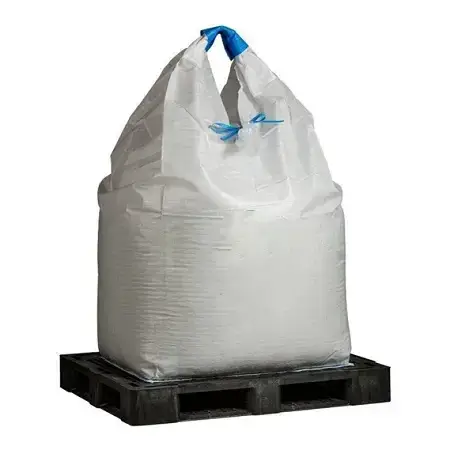
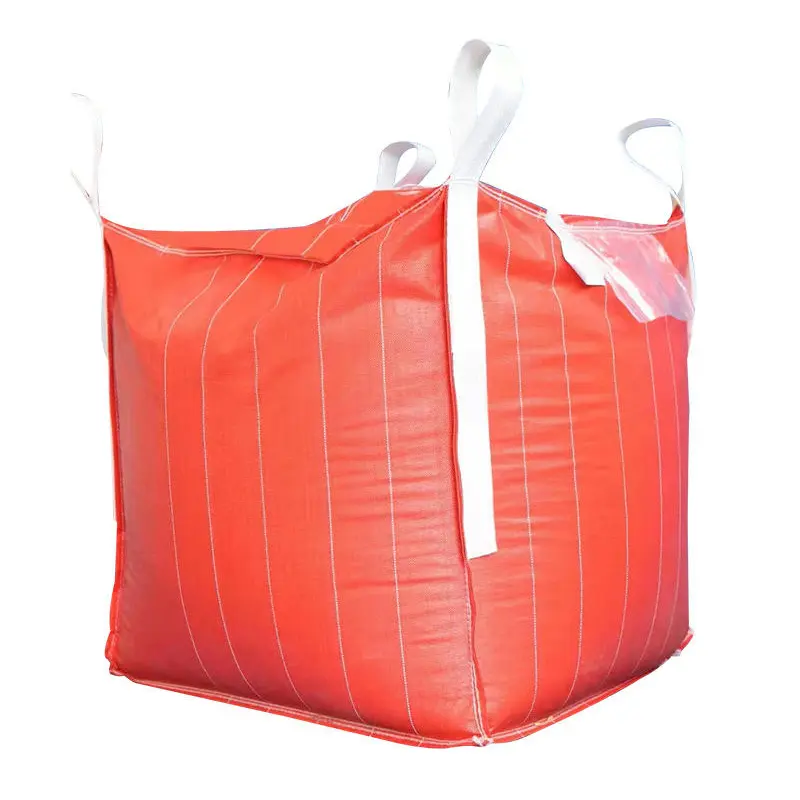
Buyers should specify a Type C conductive FIBC bulk bag as part of a complete electrostatic-control system. The RFQ must define the powder, minimum ignition energy and dust behavior where known, flammable gas or vapor exposure, filling and discharge equipment, bag construction, liner, conductive network, grounding points, continuity tests, labels, and site grounding procedure. A Type C bag is not protective unless it is reliably grounded.
> Safety boundary: The owner or employer should complete a formal combustible-dust and electrostatic ignition risk assessment with qualified specialists. Bag selection alone does not make a hazardous operation safe. Applicable laws, standards, equipment controls, housekeeping, ventilation, bonding, grounding, and operator procedures all remain necessary.
Type C Conductive FIBC Bulk Bag Hazard Assessment
| Information |
Why the bag supplier needs it |
| Powder identity and safety data |
Establishes material and handling hazards |
| Particle size, moisture, and resistivity |
Influences charge generation and dissipation |
| Minimum ignition energy, if known |
Helps characterize ignition sensitivity |
| Dust cloud or layer explosibility data |
Supports hazardous-operation assessment |
| Presence of flammable gas, vapor, or solvent |
May change the permissible FIBC type and controls |
| Filling and discharge rate |
Influences electrostatic charging |
| Equipment and operator grounding |
Determines whether the control system is complete |
| Liner and coatings |
Can alter electrostatic behavior |
Do not choose a bag type from powder name alone. The process, surrounding atmosphere, handling rate, and site controls matter.
Understand What Makes a Type C FIBC Different
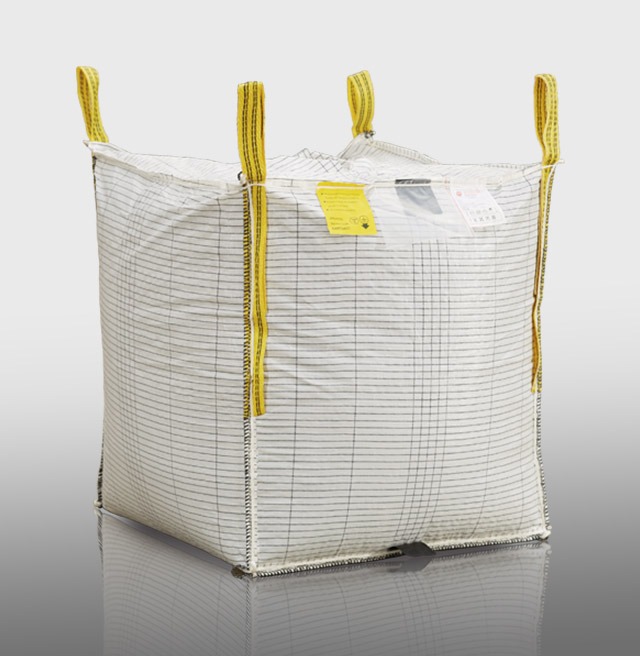
Type C FIBCs incorporate interconnected conductive elements intended to dissipate charge through designated grounding points. Their safe use depends on connecting those points to a verified ground before product movement and maintaining the connection during filling, handling as required, and discharge.
The RFQ should identify:
- conductive fabric or tape arrangement;
- number and location of grounding tabs;
- required resistance or continuity criteria;
- test method and frequency;
- maximum safe working load and safety factor;
- bag dimensions, lifting loops, inlet, and outlet;
- seams, sift-proofing, coatings, and contamination controls.
Where a project requires IEC 61340-4-4 or another standard, state the required edition and obtain the current test evidence for the exact bag, construction, and liner—not a similar family.
Treat the Liner as Part of the Configuration
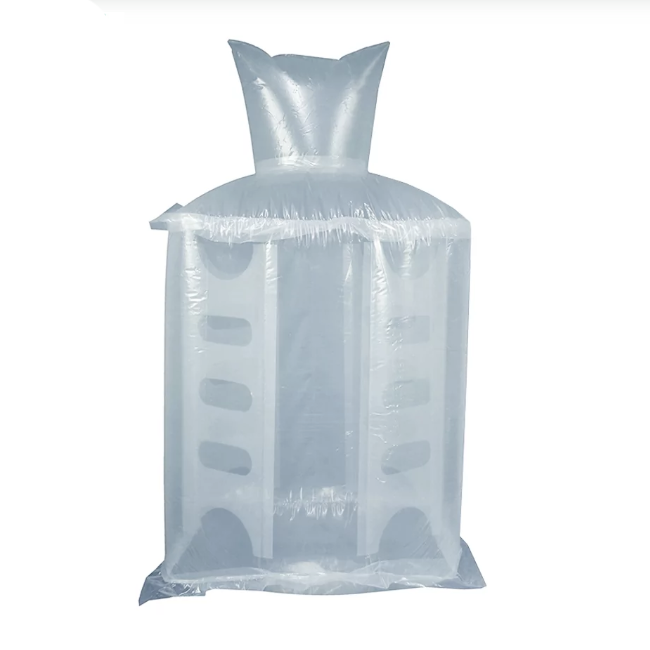
A liner can change charge generation and dissipation. Do not add a generic polyethylene liner to a qualified bag configuration without confirming compatibility.
Provide:
- need for moisture or oxygen barrier;
- liner material, thickness, form, and attachment;
- filling and discharge method;
- product-contact and regulatory requirements;
- antistatic or conductive performance required;
- test evidence for the complete bag-and-liner combination.
Buyers can discuss FIBC PE inner-liner options with the supplier, but the selected configuration must match the hazard assessment.
Design the Grounding System at the Site
Grounding is an operating control, not merely a bag feature. Define:
- the approved grounding connection point;
- clamp or connector design;
- verification that ground is present;
- interlock requirements, if used;
- inspection before each operation;
- protection against accidental disconnection;
- operator training and documented procedure.
The site should verify the resistance path according to its safety program and applicable requirements. Painted, corroded, loose, or improvised connections may not provide a reliable path.
Specify Product and Mechanical Requirements
After the electrostatic requirements are established, complete the commercial bag specification:
- product bulk density and net fill weight;
- bag dimensions and dimensional tolerance;
- filling spout, duffle top, or open top;
- discharge spout, closure, and containment needs;
- lifting-loop style and handling equipment;
- coated or uncoated body;
- sift-proof seams;
- UV exposure and storage period;
- food, chemical, or other product-contact requirements;
- printing, hazard labels, batch coding, and document pouch;
- palletizing, compression, and export packing.
The Type C anti-static bulk bag page can support configuration discussions, but project approval must follow the buyer’s hazard and compliance process.
Evidence to Request Before Approval
Request drawings, material declarations, construction details, resistance or continuity test records, performance test reports required by the project, traceability method, label artwork, and a sample approval process.
For production, define incoming inspection and sampling frequency. A useful certificate should identify the supplied lot and exact construction, including the liner.
Type C Conductive FIBC RFQ Checklist
- powder identity, SDS, and hazard test data;
- filling/discharge process and rates;
- flammable dust, gas, or vapor conditions;
- applicable hazardous-area and electrostatic requirements;
- required Type C standard and edition;
- SWL, safety factor, dimensions, and handling features;
- conductive network and grounding-tab details;
- liner/coating construction and compatibility evidence;
- resistance/continuity limits and test method;
- product-contact and contamination requirements;
- labels, traceability, certificates, and sampling plan;
- trial quantity, annual volume, destination, and delivery schedule.
Confirm Bag, Test, and Commercial Details
The RFQ should state sample and production quantities, minimum order quantity, bag dimensions, safe working load, fabric and conductive construction, liner, filling and discharge features, lifting loops, printing, document pocket, palletizing, and export packaging. Ask the supplier to identify customization limits, applicable standards, requested certification and batch-test evidence, grounding verification, sample-approval process, lead time, destination, and storage requirements. Price comparisons should normalize construction, liner, testing, printing, accessories, packing, quantity, and delivery terms.
Frequently Asked Questions
Can a Type C bag be used without grounding?
No. Its conductive system depends on a reliable connection to ground. If grounding cannot be assured, the application needs reassessment by qualified safety personnel.
Is any liner acceptable in a Type C FIBC?
No. The liner can affect electrostatic behavior. Require evidence for the exact combined configuration.
Does a Type C label prove suitability for every powder?
No. Suitability depends on the product, ignition sensitivity, surrounding atmosphere, process, and site controls.
How should operators verify grounding?
Follow the site’s engineered grounding and verification procedure, including inspection, approved connections, and any monitoring or interlock requirements.
Should buyers request a sample?
Yes. Sample and production trials can confirm handling and fit, but they do not replace hazard assessment or required compliance testing.
Request a Configuration Review
Explore ZY FIBC bulk bag options and send the hazard information, process description, grounding design, bag dimensions, liner needs, and evidence requirements through the contact page.