Direct answer:Buyers searching for empty 1 ton bags for sale should not select a 1.5-ton FIBC only for extra capacity. First match the product’s bulk density and required volume, safe working load, filling and discharge equipment, lifting method, food-contact controls, airflow, moisture protection, pallet pattern, and transport limits. Ventilated construction and a PE liner serve different product conditions and may conflict if specified together without a clear purpose.
Why are 1-ton and 1.5-ton FIBCs not interchangeable?
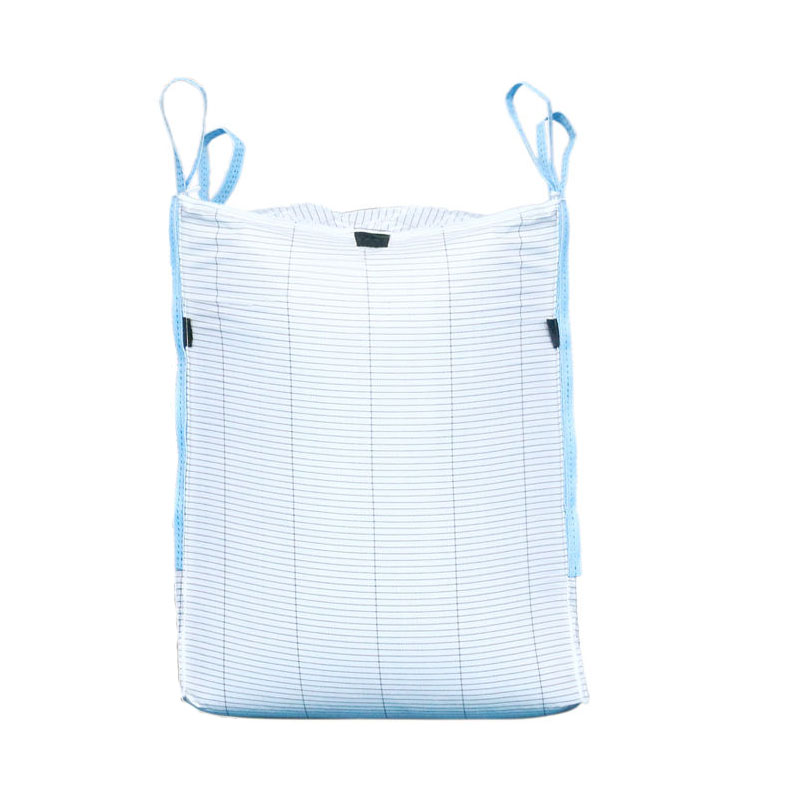
A nominal load rating describes an approved mass duty, not a universal bag size. Two FIBCs can have different dimensions and the same safe working load, or similar dimensions and different structural ratings. Material density determines how much volume is required for a given mass, while the filling process determines how the product settles inside the bag.
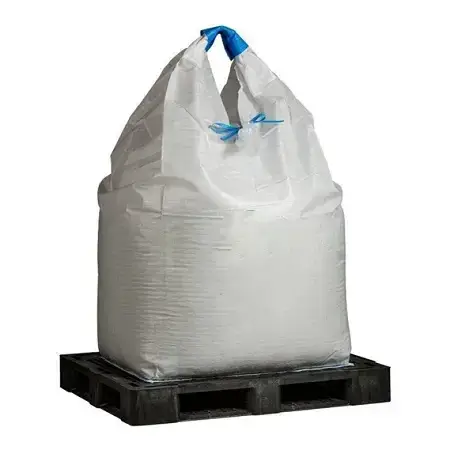
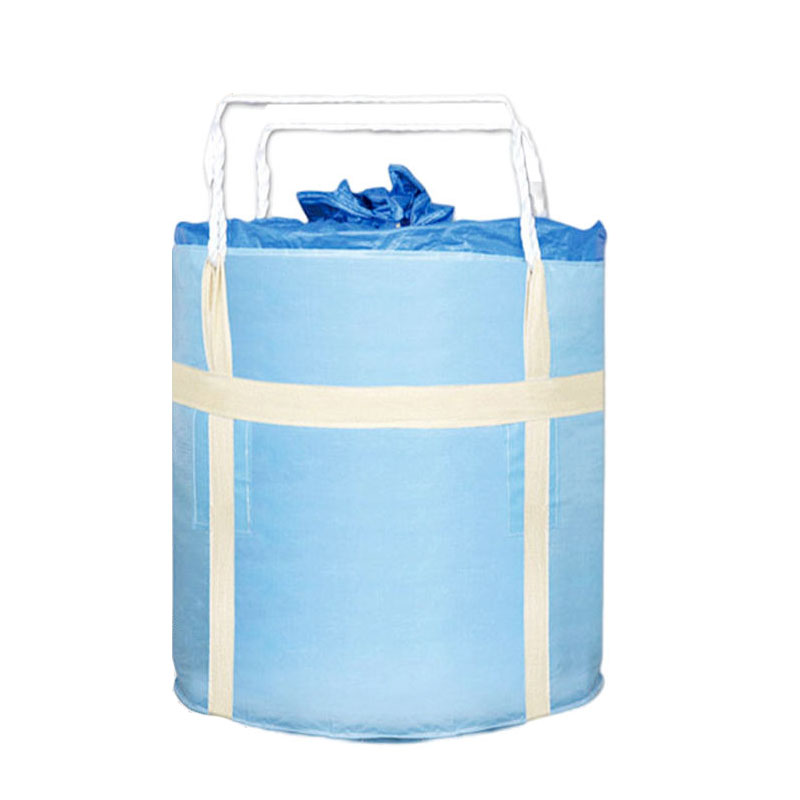
The target 1.5-ton food-grade FIBC with ventilated and liner options is a candidate for projects that need this combination of load class and packaging features. It is not automatically a replacement for every empty one-ton bag. Buyers must confirm the supplied specification, supporting food-contact documents, bag dimensions, SWL, safety factor, and permitted use before approval.
Purchasing a higher stated capacity “for safety” can create a poor fit. An oversized bag may underfill, spread outside the pallet, leave excess headspace, or load poorly in a truck or container. A smaller bag may reach its volume limit before the target mass is filled. Selection must satisfy both mass and volume.
How does bulk density determine the required bag volume?
The starting relationship is simple: required product volume equals target mass divided by bulk density. If the density is expressed in kilograms per cubic meter, dividing the target kilograms by that density gives the approximate cubic meters of product. Add only the operational headspace and settling allowance justified by the filling process.
Do not use a generic density from a similar material when an actual production value is available. Granule size, moisture, aeration, vibration, compaction, and handling can change the filled density. For powders that entrain air during filling, the initial bag height can differ from the settled shipping condition.
Send the supplier the loose-fill and settled density when both matter, plus the target net mass and required filled footprint. The bag supplier can then propose dimensions rather than forcing the product into a standard square volume. A physical filling trial is appropriate when the material behavior is difficult to predict.
| Selection input |
Why it matters |
Buyer evidence |
| Target net mass |
Sets the minimum approved load duty |
Filling specification and weighing tolerance |
| Loose and settled bulk density |
Determines required product volume and final shape |
Plant or laboratory measurement |
| Pallet or container footprint |
Limits bag width, depth, and filled overhang |
Dimensioned handling layout |
| Headspace and closure |
Affects fill level, sealing, and stacking |
Filling and closure procedure |
| Transport vibration |
Can change settling and package shape |
Distribution route and trial result |
What must be confirmed about SWL and safety factor?
Safe working load and safety factor must come from the approved bag specification and supporting evidence for the supplied design. They cannot be inferred from size, fabric appearance, or a product title. State whether the bag is intended for a single trip or another approved duty and describe the complete handling cycle.
The load path includes woven fabric, seams, lifting loops, top and bottom construction, and any special attachment. A liner may protect the product, but it is not normally the structural lifting component. Do not increase fill weight because a thicker liner has been added.
If the operating target is one tonne, compare a properly specified 1000kg solution with the 1.5-ton option on application fit, not simply strength. ZhengYi also lists a 1000kg food-grade FIBC for food storage. Product names establish available directions; the buyer still needs the current datasheet and evidence for the quoted construction.
When does ventilated mesh help—and when does it not?
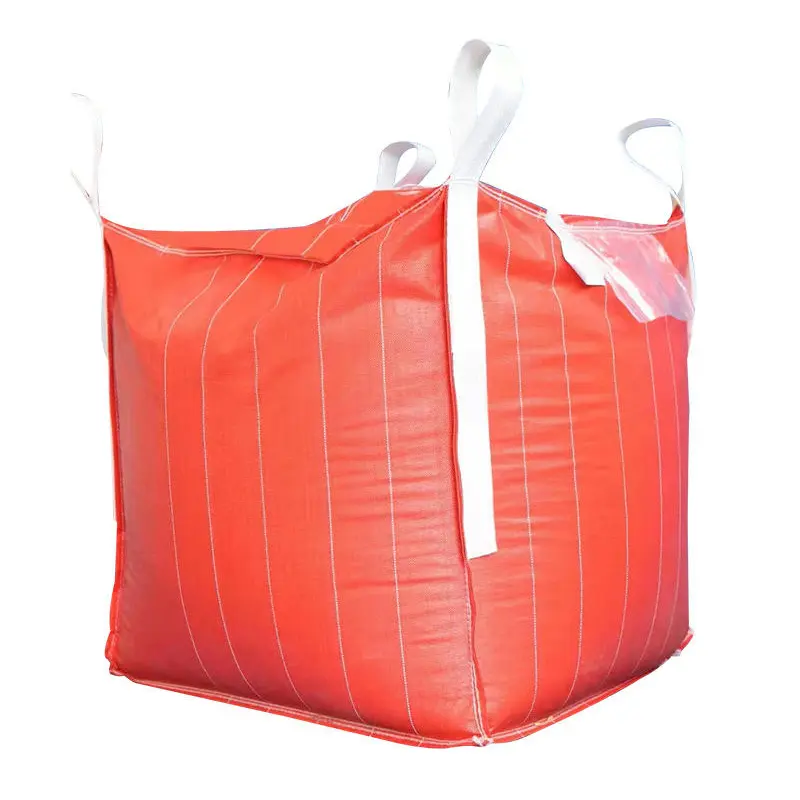
Ventilated panels or mesh sections allow air movement through the package. This can be useful for products that need ventilation to remove field heat, release moisture, or reduce condensation during storage and transport. The required opening pattern, coverage, strength, and contamination protection depend on the product and distribution chain.
Ventilation is not automatically suitable for fine powders, flour, sugar, salt, chemicals, or any material that can escape through openings or absorb moisture from the environment. It may also allow dust, pests, or external contaminants to reach the product unless another barrier is provided. Food grade does not mean that every ventilated construction fits every food ingredient.
Ask for the intended product list, particle size, moisture sensitivity, respiration or ventilation need, storage humidity, transport duration, and cleanliness requirement. The supplier should return a construction recommendation and identify any limitation. If ventilation is required only in selected zones, define those zones on the drawing.
When should a PE liner be used instead?
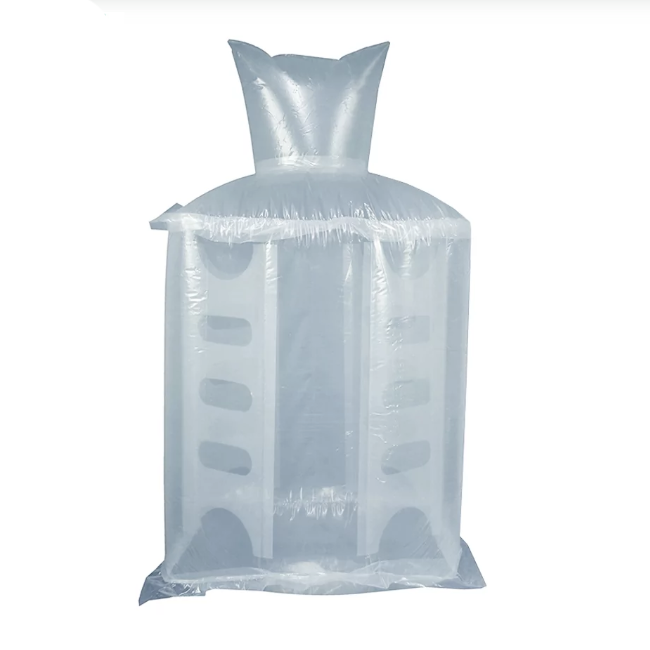
A PE liner creates an additional internal barrier. Depending on the confirmed construction, it may help protect against moisture, dust, contamination, or product leakage. It can also support cleaner filling and discharge. The liner must be dimensioned and shaped for the outer bag and equipment interface.
A continuous liner can reduce or eliminate airflow through ventilated fabric. Specifying “ventilated mesh plus sealed liner” without a functional explanation may cancel the reason for ventilation. A perforated liner, partial liner, breathable insert, or no liner may be considered only when the supplier and buyer verify that the resulting system meets product protection, airflow, food-contact, and strength needs.
Define liner material, thickness basis, dimensions, shape, seams, top and bottom openings, closure, attachment, and required evidence. If the application needs a separate liner specialist review, the big bag liner category provides related product directions, but the final liner must match the chosen outer FIBC.
How should filling, discharge, and lifting interfaces be matched?
The top design must fit the filling equipment and containment target. State whether the line uses an open top, skirt, filling spout, or another connection. Provide the filler nozzle diameter, bag support method, inflation method, flow rate, dust extraction, and closure procedure. A mismatch can slow filling or allow product to contaminate the outer surface.
The bottom design should follow the unloading method. A flat bottom, discharge spout, or controlled outlet changes material use, residue, operator access, and discharge control. Provide the receiving hopper opening, outlet diameter, tie or closure preference, need for reclosure, and product tendency to bridge or surge.
Lifting loops must match the available forklift, crane, pallet, or automated handling system. State fork dimensions, hook or tine spacing, lifting height, whether an operator can access all loops safely, and any pallet requirement. Buyers should not approve a bag from a product photo when the loop arrangement has not been dimensioned.
What does food-grade approval require from the buyer?
“Food grade” needs a defined market, product-contact condition, and evidence package. The buyer should state the food material, whether contact is direct or through a liner, destination market, applicable requirements, cleaning or hygiene expectations, allergen or contamination controls, printing location, and traceability needs.
Request the declarations, test reports, material information, manufacturing controls, and batch documents needed by the buyer’s quality team. Do not assume that the word “FDA” in a product name proves approval for every food, temperature, duration, additive, or destination. The supplier should provide product-specific evidence, and the buyer should confirm its applicability.
The existing site guidance on food-grade FIBC documentation can help the procurement and quality teams organize this review. The current article focuses on application configuration rather than repeating the documentation checklist.
Which option fits common project conditions?
| Project condition |
Likely direction to evaluate |
Critical verification |
| Dense product, one-ton target, limited volume |
Properly specified 1000kg FIBC |
SWL, filled dimensions, loops, top and bottom |
| Lower-density product requiring more volume |
Larger-volume bag; rating selected after calculation |
Volume, stability, pallet and container fit |
| Fresh or breathable product needing airflow |
Ventilated construction |
Airflow, strength, contamination and moisture risk |
| Fine or moisture-sensitive ingredient |
Closed fabric with compatible liner |
Containment, barrier, seams, filling and discharge |
| Food-contact application |
Food-grade construction with agreed evidence |
Market-specific documents and hygiene controls |
| One-ton fill in a 1.5-ton-rated bag |
Accept only if volume and handling fit |
Underfill shape, stability, dimensions and total cost |
The FIBC bulk bag product range includes multiple structural and application directions. Shortlisting by capacity alone skips the variables that determine whether filling, storage, transport, and discharge will work.
How should a sample be validated before production?
Approve a sample against a written drawing and inspection plan. Check empty dimensions, fabric and panel construction, loop dimensions, seams, top and bottom features, liner fit, printing, labels, cleanliness, and the agreed documentation. Record the approved version rather than relying on photographs.
Run a filling trial using the actual or representative product whenever practical. Observe filling speed, aeration, filled shape, headspace, closure, stability, pallet footprint, lifting, settling, transport simulation if needed, discharge flow, and residue. A bag can pass a static dimensional check and still perform poorly on the filling line.
State which attributes cannot change between sample and bulk production without approval. Agree batch traceability, production inspection, packing, labeling, and shipment records. If the supplier proposes a material or construction change, require a documented impact review and, when relevant, a new trial.
A representative food-ingredient project
Representative scenario — not a claimed customer case.
A food-ingredient distributor searches for empty one-ton bags and receives an offer for a 1.5-ton ventilated FIBC with a liner option. The buyer assumes the higher rating provides a safer package. During review, the team finds that the product is a fine moisture-sensitive powder, does not need ventilation, and fills less than half of the proposed bag volume.
The RFQ is revised with net mass, loose and settled density, required pallet footprint, food-contact condition, closed fabric, form-fit liner, filling and discharge spouts, lifting arrangement, documents, and trial criteria. The supplier returns a smaller application-matched construction. The buyer avoids paying for unused volume and a ventilation feature that conflicts with containment.
FAQ
Can a 1.5-ton FIBC be used for a one-ton load?
Potentially, but only if the approved specification permits the duty and the bag volume, filled shape, pallet fit, lifting arrangement, stability, closures, and cost suit the one-ton product. A higher load rating does not guarantee better application fit.
Are empty one-ton bags a standard size?
No. Bags with the same nominal load can have different dimensions, fabric, loops, tops, bottoms, liners, and safety factors. Give the supplier the product density, target mass, filled footprint, handling equipment, and process interfaces.
Should a ventilated FIBC also have a liner?
Only when the functions are compatible and clearly defined. A continuous sealed liner can block ventilation. The buyer and supplier should evaluate airflow, leakage, contamination, moisture, food contact, and strength before selecting a perforated, partial, breathable, or closed liner arrangement.
Does “FDA food-grade” cover every food application?
No automatic assumption should be made. Confirm the specific food, contact condition, destination market, temperature and duration where relevant, material construction, manufacturing controls, and product-specific evidence with the supplier and the buyer’s quality team.
What bulk-density value should buyers send?
Send measured loose-fill and settled density when both affect the process. Explain the test method, product moisture, particle condition, aeration during filling, and expected transport settling. The supplier uses this information to propose volume and dimensions.
What should be checked in a filling trial?
Check filling connection, flow, dust control, liner behavior, filled dimensions, headspace, closure, stability, pallet fit, lifting, settling, discharge, residue, cleanliness, and damage. Record product condition, fill mass, equipment, and sample revision.
How should buyers compare 1-ton and 1.5-ton bag prices?
Compare application-matched specifications, not load labels. Normalize dimensions, SWL, safety factor, fabric, ventilation, liner, loops, top and bottom, printing, documents, tests, packing, quantity, Incoterm, and destination.
What should buyers send with the inquiry?
Send ZhengYi FIBCs the product name, food-contact condition, bulk density, target mass, required volume or filled dimensions, SWL and safety factor, ventilation need, liner requirement, filling and discharge equipment, lifting method, pallet and container limits, documentation, trial plan, quantity, destination, and Incoterm. Submit the package through the ZhengYi FIBCs contact page.
Buyers can also review the dedicated food-grade FIBC category after defining the required contact, containment, ventilation, and handling conditions.