Buyers should evaluate fluorescent-free FIBC bags as a defined, verifiable project requirement—not as a loose synonym for “food grade.” Start with the packed product, contact surfaces, fabric and liner construction, printing and sewing components, contamination risks, inspection method, acceptance limit and required lot evidence. Then make the supplier confirm exactly which bag components and production stages are covered. A food-contact declaration, a clean-looking white bag or a successful sample inspection does not automatically prove every production lot is fluorescent-free. A useful RFQ therefore identifies the product, bag configuration, intended market, test or inspection protocol, sampling plan, traceability and deviation procedure. This turns a broad purchasing phrase into a specification that engineering, quality and the supplier can evaluate consistently.
What Does “Fluorescent-Free” Need to Mean in the Purchase Specification?
“Fluorescent-free” can refer to the absence of intentionally added fluorescent whitening agents, the absence of visible fluorescent response under an agreed inspection condition, or a customer-specific restriction covering particular contact materials. Those meanings are not interchangeable. A supplier cannot prepare a reliable quotation until the buyer states which definition controls acceptance.
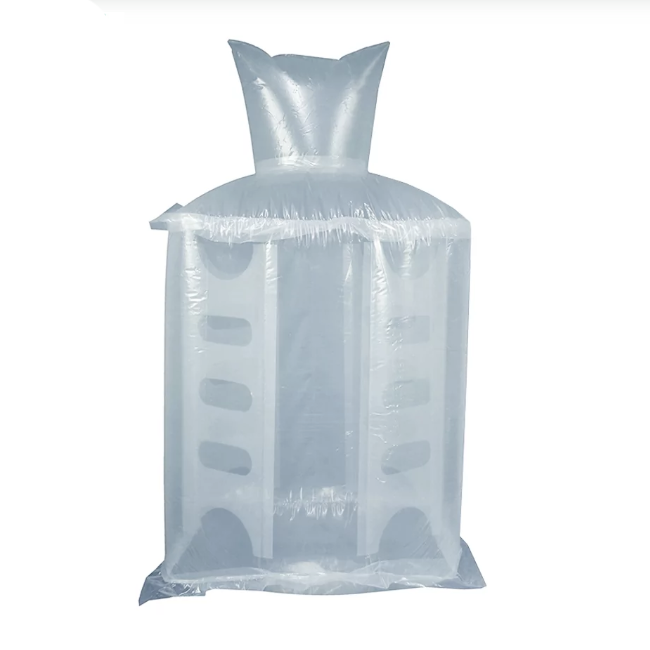
The scope also matters. An FIBC is a system rather than one sheet of polypropylene fabric. Depending on its construction, the system may include body fabric, coating, liner, lifting loops, sewing thread, filler cord, closures, labels, printing ink and packaging used during shipment. If the requirement applies only to the product-contact layer, the specification should say so. If it covers every component, that broader scope should be explicit and supported by an agreed evidence path.
Procurement boundary: fluorescent-free status does not by itself establish food-contact suitability, hygiene level, sterility, load performance or regulatory compliance. Each requirement needs its own definition and evidence.
Start With the Packed Product and the Contact Path
The correct evaluation begins with what will be packed and which surfaces can contact it. Flour, starch, sugar, mineral powder and chemical granules can share a similar bag silhouette while presenting different contamination, moisture, dust and discharge risks. Buyers should map the complete product path: filling equipment, bag interior, liner if used, closure, storage, transport and discharge.
This mapping determines whether the fluorescent-free requirement belongs to the outer bag, the inner liner, both, or another project-controlled component. It also exposes gaps that a generic statement can hide. For example, approving the woven body fabric alone does not verify a separately sourced liner or sewing material. Conversely, a validated liner may form the product-contact barrier, but that does not remove the need to define the outer bag’s mechanical and handling requirements.
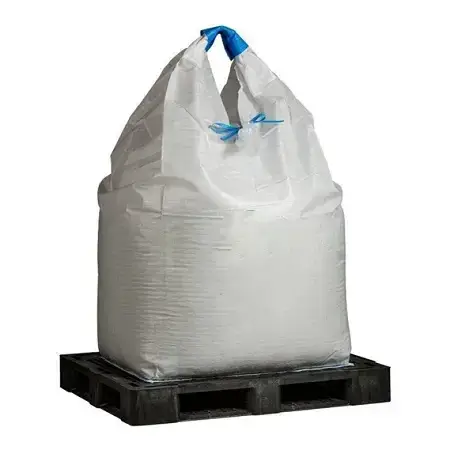
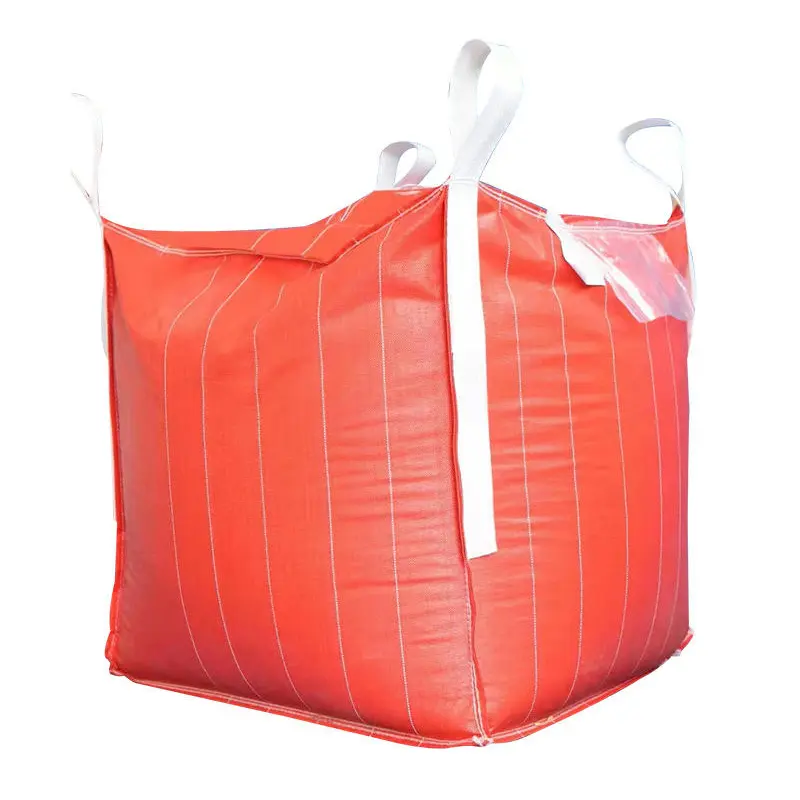
Buyers comparing broader FIBC bulk bag configurations should first identify the required contact path, filling and discharge arrangement, lifting method and transport conditions. Only then can a fluorescent-control requirement be attached to the correct construction.
Which Inputs Should Buyers Freeze Before Requesting Evidence?
| Buyer input | Supplier must confirm | Risk if missing | Useful evidence |
| Packed product and intended use | Proposed bag family and contact construction | A bag is evaluated against the wrong duty | Application statement and approved drawing |
| Meaning of fluorescent-free | Exact declaration or inspection basis | Buyer and supplier apply different definitions | Signed specification or test protocol |
| Components in scope | Fabric, liner, thread, coating, print and accessories covered | Only one component is checked | Bill of materials or component declaration |
| Inspection conditions | Method, equipment, sample condition and pass/fail rule | Results cannot be reproduced | Agreed inspection instruction |
| Lot and sampling plan | What constitutes a lot and how samples are selected | A sample cannot represent production | Inspection and traceability record |
| Food-contact or market requirement | Applicable scope and documents for the quoted order | Generic marketing language replaces project evidence | Project-specific declaration or requested records |
| Change control | Notification for material or process changes | Approved conditions change without review | Deviation and change-approval procedure |
Why Must Materials, Printing and Sewing Components Be Reviewed Separately?
A white polypropylene body can dominate visual inspection, but it is not the whole bag. Different components may have different raw-material sources, additives, colors and production histories. Printing introduces inks; sewing introduces thread and sometimes filler materials; a liner introduces another resin system and conversion process. The purchasing team should therefore ask the supplier to map the fluorescent-free scope to the actual bill of materials rather than reply with a single yes/no statement about the finished bag.
This is also why appearance is weak evidence. Two bags may look identical under normal lighting while differing under the buyer’s specified inspection condition. The opposite problem can occur when dust, fibers from secondary packaging or residues from the inspection area create an apparent response that is not attributable to the bag’s defined contact material. Controlled sample preparation and an agreed comparison basis reduce these disputes.
How Should the Inspection Method and Acceptance Rule Be Defined?
The supplier needs the method before it can determine whether existing controls are suitable. The RFQ should state who provides the procedure, which equipment or light source is used, how samples are conditioned, which surfaces are inspected, what constitutes an observation, and whether an external laboratory or buyer witness is required. If the buyer has a corporate method, attaching it is more useful than asking for an undefined “fluorescent-free certificate.”
Inspection must also distinguish qualification from routine release. A material qualification test may establish that a proposed construction is suitable. Routine production controls then need to maintain that approved construction, identify lots and detect unintended substitution or contamination. One successful pre-production sample cannot define the control plan for every later shipment.
How Do Hygiene and Contamination Controls Affect the Decision?
Even when the selected raw materials meet the agreed requirement, contamination can arise through shared storage, handling surfaces, loose fibers, rework, packaging or mixed components. The buyer should ask how relevant materials are identified, segregated, handled and traced during the quoted production route. The answer should be proportionate to the risk and the customer’s acceptance plan; vague statements about a “clean factory” do not describe the actual control boundary.
For edible ingredients or sensitive powders, buyers can use the food-grade FIBC category to understand the available product family. However, category placement is only a discovery step. The order still needs a project-specific agreement covering material contact, hygiene, fluorescent inspection and documentary evidence.
What Is the Difference Between a Supplier Declaration and Lot Evidence?
A supplier declaration defines what is being claimed and under which scope. Lot evidence connects a production shipment to that approved scope. Buyers may require a material declaration, approved sample, incoming-material records, production-lot identification, inspection report or retention sample. The correct package depends on the product risk, market and buyer quality system.
No single document should be made to prove more than it actually proves. A material certificate can help identify a material, but it does not automatically verify a finished bag’s construction, cleanliness or handling history. A finished-bag inspection can confirm observations on selected samples, but it cannot replace traceability to controlled components. Procurement should connect the evidence rather than collect unrelated paperwork.
How Should Buyers Use a Sample-Approval Process?
A useful sample approval checks the same configuration intended for production: body fabric, coating or liner, seams, loops, closures, printing and accessories. The buyer should record the drawing revision, sample identification, inspection method, results and any approved deviations. If the sample is only a material swatch, it must not be treated as approval of the complete FIBC.
Approval should lead to a controlled sequence: specification → representative sample → verification → deviation review → production release → lot inspection. If a material or component changes later, the parties need a defined re-approval trigger. This is especially important when fluorescent-free status is tied to a material formulation or source.
What Can Go Wrong With an Incomplete Fluorescent-Free RFQ?
- Scope ambiguity: the buyer expects every component to be covered while the supplier evaluates only the fabric.
- Method mismatch: both parties inspect samples under different conditions and obtain non-comparable observations.
- Food-grade substitution: a food-contact claim is incorrectly treated as proof of fluorescent-free status.
- Sample-to-production gap: a development sample passes, but lot identification and change control are absent.
- Evidence mismatch: documents identify raw material but do not connect it to the finished shipment.
How Should Buyers Evaluate a Specific Food-Grade FIBC Offer?
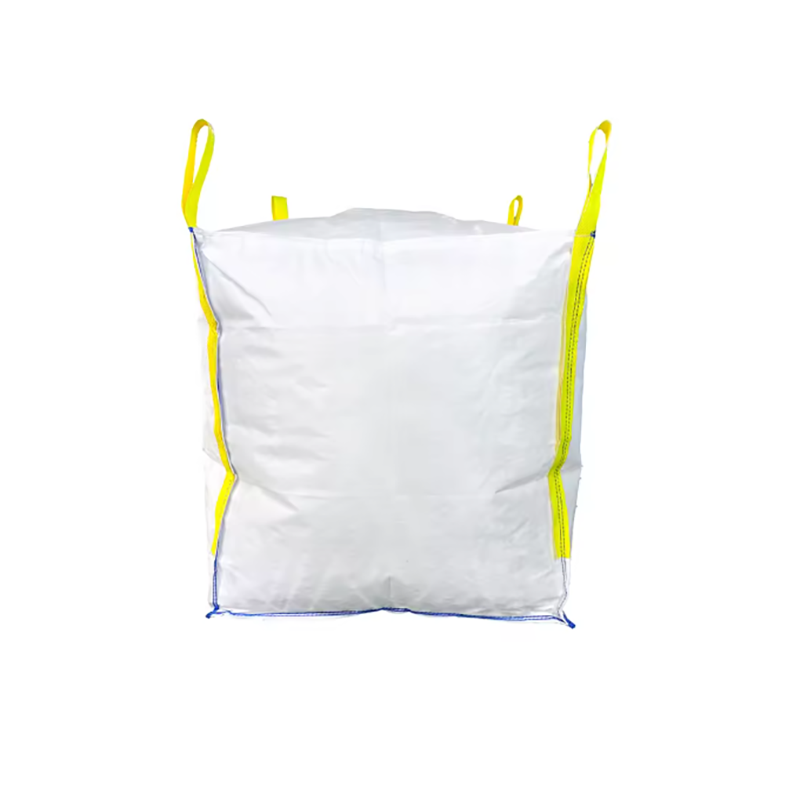
ZhengYi’s Food Grade FIBC Bulk Bags for Edible Storage product page provides a specific product reference for project evaluation. It should not be treated as automatic confirmation of a buyer-specific fluorescent-free requirement. The quoted order still needs to define the exact material scope, liner, inspection method, traceability and acceptance evidence.
What Should a Fluorescent-Free FIBC RFQ Include?
- Packed product, bulk density and intended market.
- Nominal fill mass and required bag dimensions.
- Filling, discharge and lifting arrangement.
- Product-contact surfaces and liner requirement.
- Buyer’s definition of fluorescent-free.
- Components covered by that requirement.
- Inspection/test procedure and acceptance rule.
- Lot definition, sampling plan and witness requirement.
- Food-contact, hygiene or other project requirements stated separately.
- Printing, label, closure and packaging requirements.
- Required declarations, inspection records and traceability.
- Sample approval and change-control process.
- Quantity, destination and delivery schedule.
Ask the supplier to return each item as Confirmed, Deviation, Alternative or Buyer Input Required. To start a project review, send the complete specification and evidence list through ZhengYi’s FIBC request and contact form. Approval should be based on the quoted construction and agreed evidence—not on an unqualified product label.