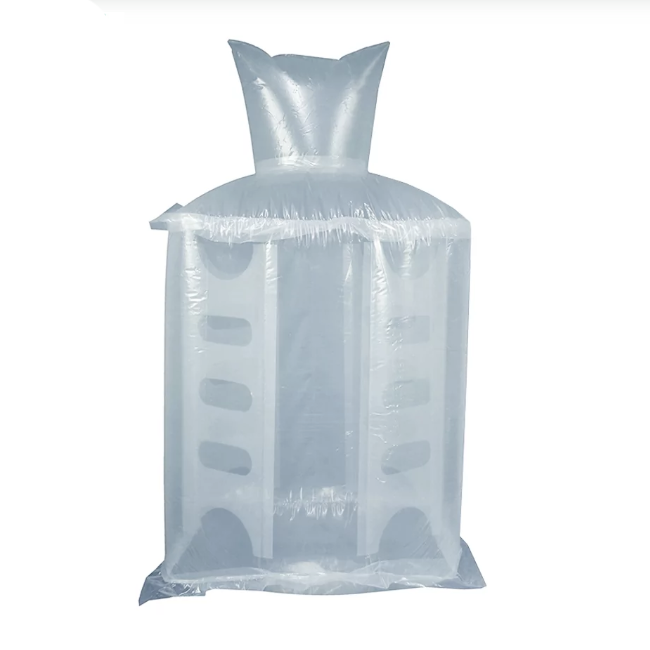
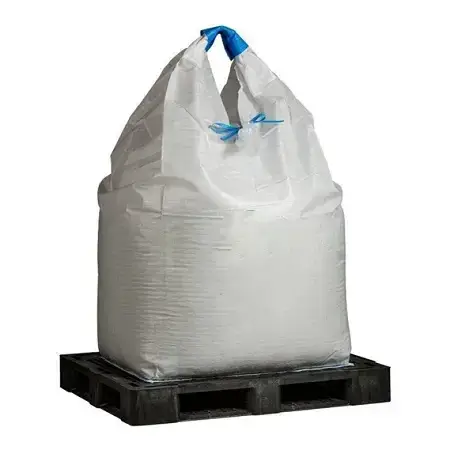
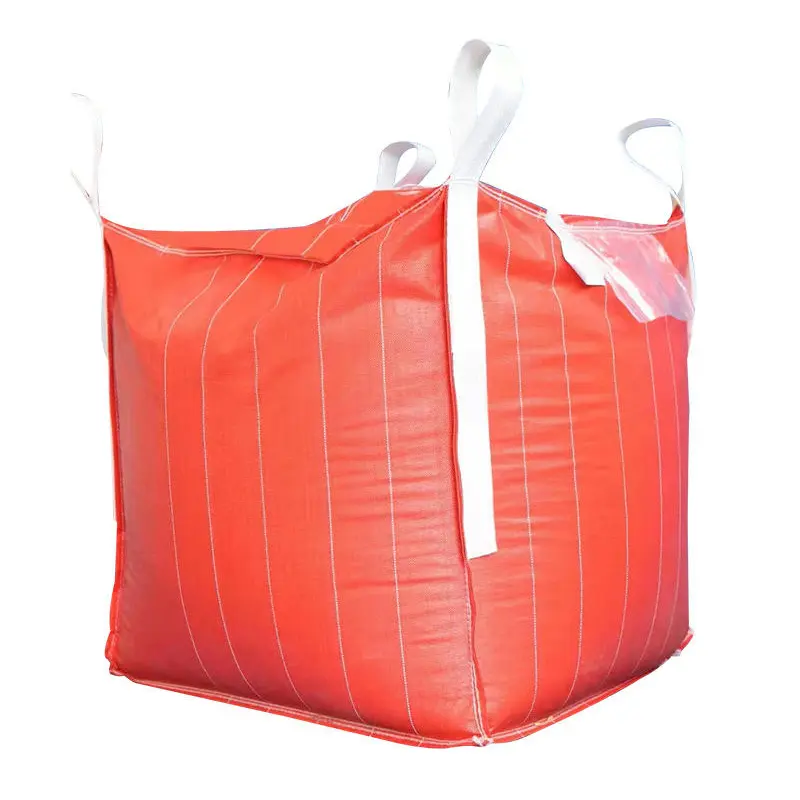
Evaluate manufacturers against the packed commodity and distribution route, not a generic sack weight. A useful request defines the product, target net content, bulk density, particle shape, moisture and ventilation needs, bag dimensions, woven fabric construction, coating or liner, opening and closure, print, pallet pattern, transport conditions, and acceptance evidence. The manufacturer should return a controlled specification, sample plan, test scope, packing method, and deviations. “25 kg,” “50 kg,” or “agricultural bag” describes only part of the requirement; two sacks with the same nominal capacity can perform very differently during filling, sewing, stacking, storage, and delivery.
Begin with the Commodity, Not the Existing Bag
Copying an old sack is tempting because it seems to shorten development. It can also preserve a hidden mismatch. Seed, fertilizer, grain, sugar, feed, flour, vegetables, and fruit differ in particle shape, dust level, moisture sensitivity, respiration, contamination risk, and flow. Those differences affect whether the packaging needs an open weave, a tighter weave, coating, lamination, a separate liner, or a mesh structure.
The PP woven bag product category covers several agricultural and industrial directions, but the category page is a navigation point rather than a finished specification. The project must still define what the bag contains and what happens between filling and final opening. A bag that performs well for dry grain in a short domestic route may not suit hygroscopic powder stored in a humid port or fresh produce that needs airflow.
Start the inquiry with a representative material description and, when possible, a product safety data sheet or handling note. State whether the material is abrasive, sharp-edged, dusty, warm at filling, sensitive to odors, or prone to moisture pickup. Also identify direct food or feed contact. These inputs allow the manufacturer to select a construction for the real duty instead of pricing a familiar stock sack.
Nominal Pack Weight Does Not Determine Bag Dimensions
A 50 kg target does not tell a manufacturer how much volume the product occupies. The same mass of a dense granular product and a light feed ingredient can require very different bag dimensions. Filling equipment, settlement, deaeration, headspace, and closure allowance change the usable volume further. If suppliers assume different bulk densities, their quotations may all say “50 kg” while describing sacks that cannot be compared.
Provide loose and settled bulk density where both are relevant, the allowed net-weight tolerance, and the target filled shape. Dimensions should be defined as part of a drawing or agreed measurement method, not only as a width-and-length pair copied from an old order. Gusset depth, valve or mouth geometry, hem, seam allowance, and liner size can affect the usable capacity and how the filled package sits on a pallet.
Palletization is part of this calculation. A slightly wider bag may improve filling but create overhang. A narrow bag may fit the pallet yet become too tall or unstable after settling. Share the pallet size, bags per layer, layer count, unit-load height limit, stretch-wrap method, and container or truck constraints. The manufacturer can then evaluate the flat bag and the filled unit together.
Choose the Barrier Around Moisture, Dust, and Airflow
Woven polypropylene fabric is not automatically a moisture barrier. Coating or lamination can reduce passage through the weave, while a liner can create a separate inner containment layer. Their performance depends on the complete construction, including seams, perforations, closures, liner attachment, and any openings created during filling or sewing. A broad description such as “waterproof bag” is therefore too vague for a purchase order.
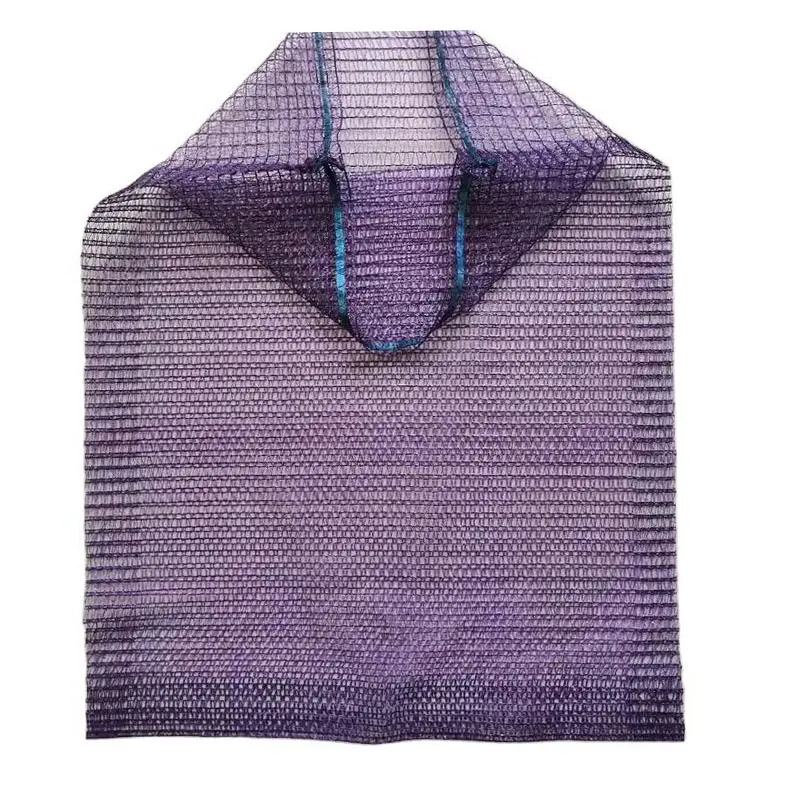
Fresh produce creates the opposite design problem. Airflow can be important, and a closed liner may trap moisture or heat. A woven mesh sack for vegetables and fruit is a relevant reference where visibility and ventilation matter. It should not be substituted for a tighter woven or lined sack when dust containment, odor protection, or moisture control is the primary objective.
Ask suppliers to describe the barrier or ventilation arrangement in physical terms: fabric type, coating or lamination, liner material and thickness if specified, liner fit, perforation if used, seam and closure construction, and intended openings. Then agree how the result will be assessed. Visual appearance alone cannot establish a moisture-vapor requirement, leak resistance, or ventilation rate.
Fabric, Seams, and Closures Work as One Package
Fabric mass per area is often used as a purchasing shorthand, but it does not capture the complete sack. Tape properties, weave construction, coating, orientation, seam type, thread, stitch density, mouth preparation, and bottom closure all influence performance. Increasing one value cannot automatically compensate for a weak interface elsewhere.
The closure also has to match the filling line and the customer’s opening method. Heat cutting, hemming, sewing, valve filling, drawstring arrangements, and liner closures create different operating steps. A technically strong bag can still reduce output if operators cannot present it consistently to the filling head or if the sewing allowance varies. Include the line speed, closing equipment, required tamper evidence, and opening preference in the sample review.
Sharp or angular products deserve particular attention. Local abrasion or puncture may govern the design even when the static filled weight is modest. Provide a representative sample to the manufacturer when practical and define a filled-bag trial that reflects the actual product. Testing only with smooth substitute pellets may not reproduce the critical contact points.
Use Standards Within Their Actual Scope
ISO 23560:2015 remains current after its 2025 confirmation. It specifies general characteristics, requirements, and test methods for woven PP sacks of 25 kg or 50 kg intended for transporting and storing foodstuffs such as cereals, sugar, and pulses. That is useful when the project falls within its scope. It is not a universal specification for every agricultural sack, every pack weight, or every commodity.
The destination market may also impose food-contact requirements. FDA’s food-contact inventory lists polypropylene and points users to the applicable provisions, including 21 CFR 177.1520, but authorization depends on the intended use and conditions stated in the regulation. A resin reference alone does not establish the suitability of the complete printed sack, liner, adhesive, additive system, or production environment.
Separate three questions in the RFQ: which standard or regulation applies, which part of the bag it governs, and what project-specific requirements remain. The standard may define a test method or product scope; the buyer still controls commodity compatibility, dimensions, printing, palletization, hygiene documentation, inspection frequency, and acceptance criteria. This prevents a certificate request from replacing the technical specification it was meant to support.
Printing and Artwork Are Production Interfaces
Agricultural sacks often carry product identity, handling information, batch fields, regulatory statements, barcodes, or distributor branding. Artwork approval must account for the bag’s woven surface, coating, color, seam location, gusset, and filled shape. Fine elements that look clear on a PDF may distort across the weave or disappear at a fold.
Freeze the number of print colors, print sides, printable area, orientation, color references, variable data, language versions, and approval method. Mark any legal or safety text as controlled buyer content. The supplier should confirm the print process and return an artwork proof linked to the bag drawing. When color or barcode performance is critical, an approved physical sample is stronger evidence than an on-screen proof alone.
A custom-printed PP woven bag configuration shows the type of product direction that can be discussed, but the word “recyclable” also needs a defined claim basis. Coatings, liners, inks, contamination, collection systems, and local recycling infrastructure can affect end-of-life outcomes. Avoid placing an environmental statement on artwork until the buyer has approved the wording and supporting basis for the destination market.
Approve Evidence in Stages
A practical qualification sequence begins with a completed specification, then moves to an unprinted construction sample, a printed sample when required, and a representative filling and handling trial. Each stage answers a different question. The unprinted sample checks dimensions, fabric, seams, closure, liner, and equipment fit. The print sample checks artwork and appearance. The filled trial checks capacity, closure, package shape, pallet stability, and handling under conditions closer to use.
Production evidence should then reflect the risks agreed during approval. Depending on the project, the inspection plan may record dimensions, mass per area, workmanship, stitch and closure condition, print, liner presence, packing count, and traceability details. Performance tests need a defined method, conditioning, sample size, and acceptance rule. A test name without those details can produce results that are difficult to compare.
Golden samples are helpful only when they are controlled. Mark the approved revision, retain them under suitable storage, and specify whether they govern appearance, dimensions, workmanship, or all three. If the sample conflicts with the signed specification, the order should state which document has precedence.
Questions Buyers Commonly Ask
Is a PP woven sack the same as an FIBC?
No. Both may use woven polypropylene, but an FIBC is an intermediate bulk container designed for lifting from above by integral or detachable devices. Agricultural PP woven sacks are commonly handled as individual smaller packages. Their design, testing, filling, closing, and handling interfaces should not be treated as interchangeable.
Does every agricultural PP woven bag need a liner?
No. A liner may help with fine particles, contamination control, or moisture management, but it can add cost, complicate filling or closing, and restrict airflow. The decision depends on the commodity, barrier objective, closure, storage environment, and distribution route.
Can a supplier select the bag from a 25 kg or 50 kg capacity alone?
Not reliably. Net weight must be paired with bulk density, target filled dimensions, filling behavior, headspace, closure allowance, and pallet pattern. A sample filling trial is advisable when the product settles, aerates, bridges, or varies in density.
What should an approved sample confirm?
State the approval purpose. A sample can confirm construction, dimensions, seam and closure details, print, liner fit, and equipment compatibility. It does not automatically prove production-lot consistency or every performance claim, so the order also needs an inspection and evidence plan.
Prepare an RFQ That Produces Comparable Offers
Send every bidder the same commodity description, target net content, bulk-density range, dimensions or pallet objective, fabric and barrier requirements, top and bottom construction, closure, print files, food or feed contact scope, sample and test expectations, packing quantity, order volume, destination, and delivery basis. Ask the manufacturer to return the offered specification, drawing, sample schedule, document list, production packing method, and all deviations. Optional coating, liner, print, or closure choices should be priced separately rather than hidden inside one total.
ZhengYi FIBCs can receive that package through its agricultural packaging RFQ form. Include representative product data and the actual distribution conditions, then compare price and lead time only after the technical scope has been aligned. The resulting quotation should make the offered bag, approval steps, evidence, and exceptions clear enough for purchasing, quality, and operations teams to review together.