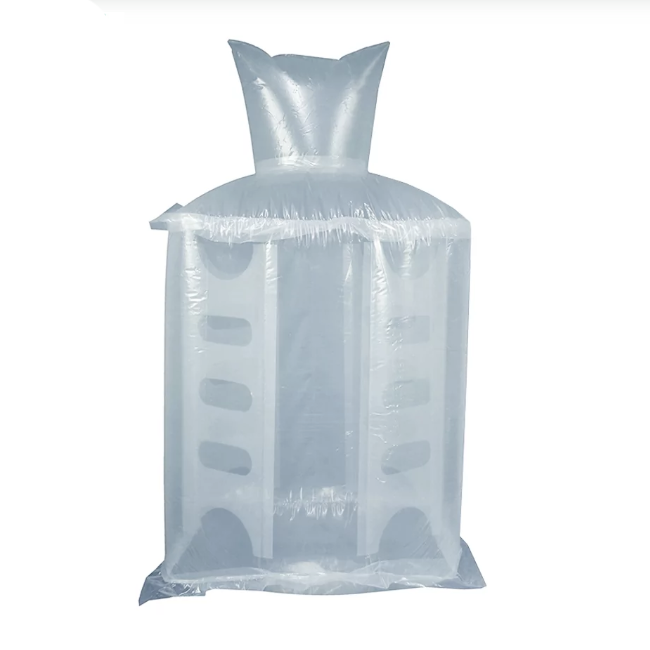
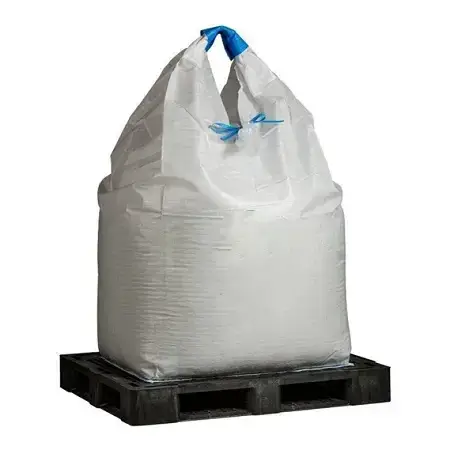
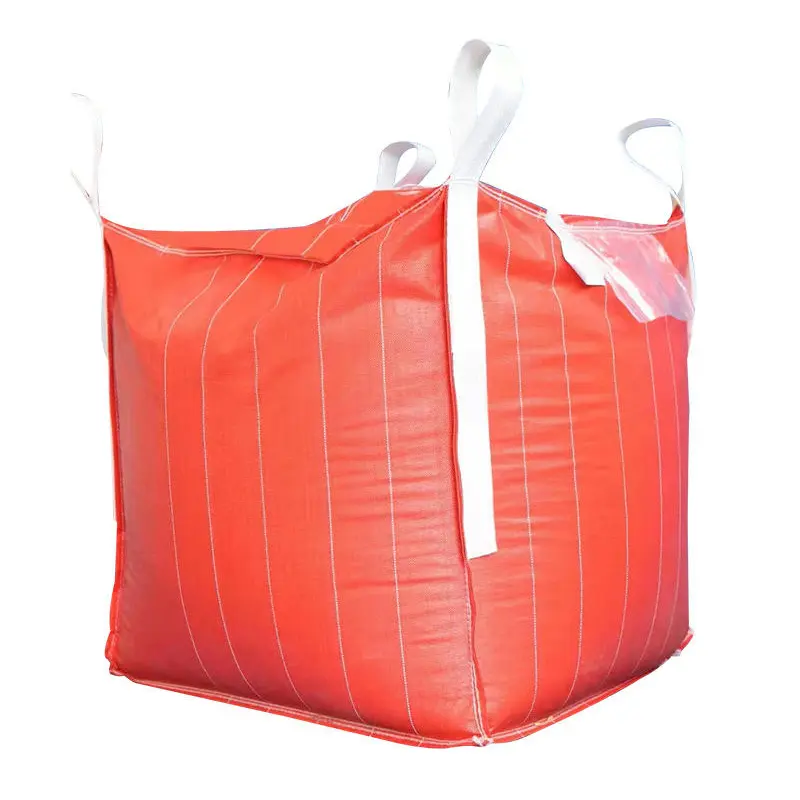
Direct Answer: Choose a baffle FIBC bag when its more rectangular filled shape improves the verified pallet or container layout without creating unacceptable filling time, product bridging, discharge residue, or handling instability. Do not buy on empty-bag dimensions or a claimed space-saving percentage. Compare both designs with the actual bulk material, fill weight, equipment, pallet, container, and transport trial.
This comparison is most useful to food, mineral, agricultural, chemical, and industrial shippers that pay for container space as well as packaging. ZhengYi FIBCs supplies conventional and baffled bulk-bag configurations for industrial buyers. For product-family comparison, start with the Baffled FIBC Bag category, then validate the selected shape with the buyer’s actual material and logistics process.
Which Problem Is the Buyer Trying to Solve: Bulging, Pallet Fit, or Container Cube?
A baffle bag should not be selected because “square bags save space” sounds attractive. The buyer should define the measurable logistics problem first.
| Logistics Problem |
Evidence to Collect |
What Success Looks Like |
| Bag bulges beyond pallet edge |
Filled width/depth at target net weight, pallet size, settling after handling |
Filled bag remains within the approved pallet footprint or overhang limit. |
| Unused container cube |
Actual filled dimensions, rows/layers, door clearance, and load plan |
More usable payload or a more stable layout is achieved without violating weight or handling limits. |
| Unstable warehouse stacking |
Filled shape, center of mass, top profile, stacking method, settling |
The approved stacking method remains stable in actual handling. |
| Poor filling-line fit |
Filler dimensions, spout position, densification/vibration, operator access |
The baffle construction does not create an unacceptable filling bottleneck. |
| Excess residual product |
Discharge method, flow behavior, baffle openings, product residue |
Container utilization improves without increasing residual material or discharge labor. |
One of the most expensive buyer mistakes is optimizing only the shipping container while ignoring the filling line. A bag that packs efficiently can still raise total cost if it fills slower, bridges internally, requires manual intervention, or does not fit the discharge station.
How Does a Baffle FIBC Change the Filled Shape?
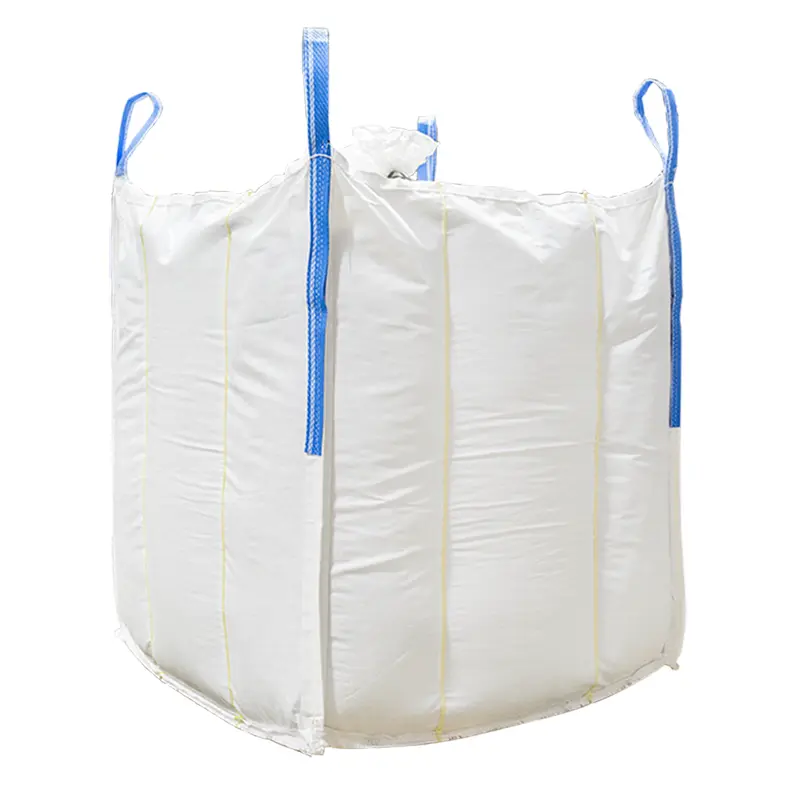
Baffle panels connect the bag walls and limit outward bulging, helping the filled bag retain a more rectangular profile. A standard four-panel bag can become rounder as material pushes outward. The real difference depends on material density, flowability, fill method, vibration, settling, and final net weight.
Compare filled external dimensions after:
- Initial filling
- Densification or vibration if used
- Lifting from the filling station
- Placement on the pallet
- A defined settling period
- Representative internal handling before shipment
ZhengYi lists a PP Jumbo Big Bag Baffled FIBC Bag as one product reference. Buyers should confirm final dimensions, target load, inlet/outlet, lifting loops, baffle layout, material compatibility, and transport-validation plan for the exact project before assuming it will improve container utilization.
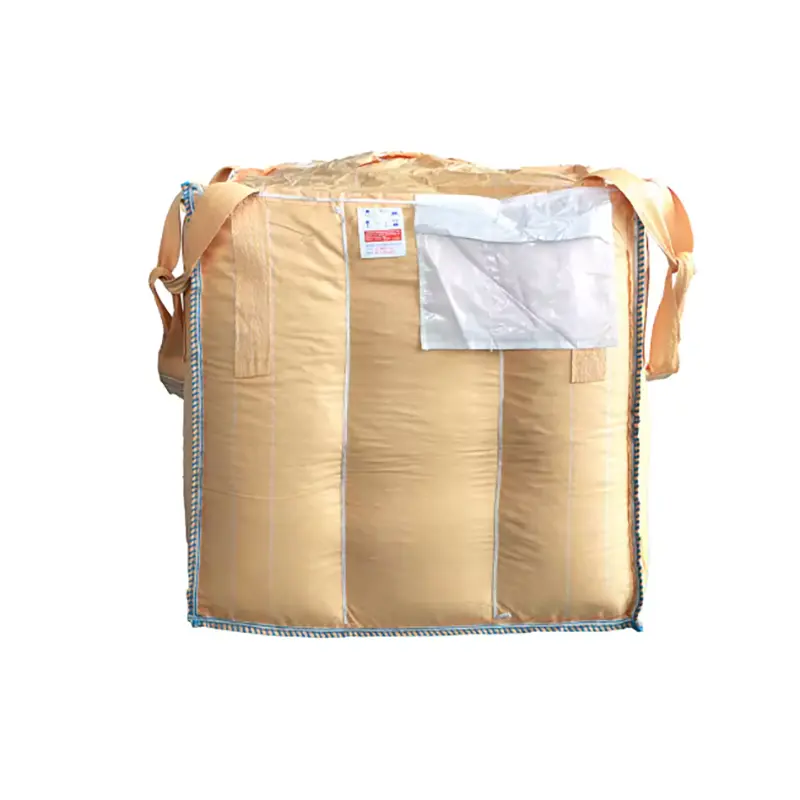
When Can Product Flow Make a Baffle Bag the Wrong Choice?
The same internal structure that controls shape also changes how material moves through the bag. Fine free-flowing granules may distribute differently from cohesive powders, irregular particles, moist agricultural products, or aerated materials.
- Particle size distribution
- Bulk density
- Observed flow behavior
- Cohesion and bridging tendency
- Moisture condition
- Aeration during filling
- Whether product must pass through baffle openings during filling or discharge
- Whether internal inspection or cleaning is required
Shape retention has no commercial value if the bag does not fill evenly. When material hangs up in one section, the bag can look square from outside while carrying less product or requiring extra operator intervention.
How Should Buyers Model Pallet Footprint Before Ordering Samples?
| Input |
Buyer Measurement |
Why It Matters |
| Target net weight |
Actual kg or lb per filled bag |
The external shape changes with fill level and product density. |
| Bulk density range |
Normal and low/high operating values |
The same bag can fill to different heights with different batches. |
| Pallet dimensions |
Usable deck length/width and allowed overhang |
Empty-bag dimensions do not show whether the filled bag stays on the pallet. |
| Bag settling |
Filled dimensions after lifting and handling |
A newly filled bag can change shape before final shipment. |
| Top closure and loops |
Height above the filled body and handling clearance |
Container and warehouse layouts need clearance beyond the body dimensions. |
| Allowed compression |
Buyer-approved stacking/contact condition |
Load plans should not assume uncontrolled squeezing to create extra space. |
A fair model compares both bag types at the same target net weight and with the same bulk material. Comparing a fully loaded standard bag with a lightly filled baffle bag creates a false utilization advantage.
How Should Container Utilization Be Calculated Without Inventing a Space-Saving Percentage?
Do not accept a generic statement that a baffle FIBC saves a fixed percentage of container space. The valid metric is the number of approved filled bags that can be loaded into the buyer’s actual container under weight, clearance, handling, and stability constraints.
- Measure the filled bag footprint at the approved net weight.
- Confirm total filled height including closure and handling requirements.
- Build a container loading plan using the actual internal dimensions supplied by the buyer or logistics provider.
- Check whether gross-weight limits become the constraint before volume does.
- Confirm loading and unloading access.
- Check door clearance and final row arrangement.
- Validate the plan with a physical or representative loading trial.
The key procurement point is that a shipment can be volume-limited or weight-limited. If the container already reaches its permissible weight before it is full, a more rectangular bag may improve handling or pallet fit without increasing bags per container.
What Filling-Line Compatibility Should Be Checked?
A baffle FIBC must work with the buyer’s existing filling process. Include the filling spout or open-top arrangement, bag support method, densification/vibration equipment, target fill rate, dust-control method, and operator access in the RFQ.
- Does the top design match the filler connection?
- Do baffles interfere with even material distribution?
- Is vibration or densification required to reach the target weight and shape?
- Can the bag be released from the filler without damaging loops or closure?
- Does the filled bag retain an acceptable shape after lifting?
- Is filling cycle time acceptable compared with the standard design?
Compare cost per packed tonne or cost per shipped unit, not only bag unit price. A higher-priced baffle FIBC can be commercially attractive if the validated logistics benefit exceeds the added bag and filling cost; the reverse is also true.
What Should Be Checked at Discharge?
| Discharge Check |
What to Observe |
Potential Hidden Cost |
| Material flow to outlet |
Whether material moves around baffles without persistent pockets |
Manual intervention, longer discharge time, operator exposure |
| Residual product |
Weight or visible quantity remaining after normal discharge |
Product loss and additional cleaning labor |
| Bag stability |
Behavior while suspended or supported at the discharge station |
Unsafe or inefficient operator handling |
| Outlet compatibility |
Spout dimensions and access match the discharge station |
Adapters, rework, or inability to use existing equipment |
| Cleaning/inspection |
Access required by the buyer’s hygiene or handling procedure |
Longer turnaround or an impractical operating process |
For another product-level comparison, ZhengYi lists a Food Grade Baffled FIBC Bag Super Sack Bulk Bag. Buyers should not infer food-contact suitability, container savings, or discharge performance from the name alone; the specific construction and required evidence must be confirmed.
How Should a Buyer Compare Baffle and Standard Four-Panel Bags?
| Decision Metric |
Baffle FIBC Test |
Standard Four-Panel Test |
Buyer Decision |
| Filled footprint |
Measure after filling and settling |
Measure under the same conditions |
Which stays within the approved pallet/container layout? |
| Net payload |
Record actual product weight |
Use the same target |
Do not trade away payload merely to obtain a squarer shape. |
| Fill time |
Record normal operator cycle |
Use the same filler and material |
Does shape control create a production bottleneck? |
| Discharge time |
Record time and intervention |
Use the same discharge station |
Which design releases product more reliably? |
| Residual material |
Measure or inspect after discharge |
Use the same acceptance method |
Does one design create more product loss? |
| Transport layout |
Build a validated pallet/container plan |
Build an equivalent plan |
Which produces the lower verified logistics cost? |
What Sample Trial Should Be Completed Before a Bulk Order?
A representative trial should use the buyer’s actual product. An empty-bag sample cannot prove fill behavior, shape retention, container fit, or discharge performance.
- Product and batch used
- Bulk density or relevant flow observation
- Target and actual net weight
- Filling time
- Filled width, depth, and height
- Shape after lifting and settling
- Pallet overhang or clearance
- Handling observations
- Transport or simulation observations
- Discharge time and residual product
- Damage, leakage, seam, or baffle issues
For broader application context, ZhengYi’s existing article on FIBC bulk bag applications can support product-family planning. The decision here is narrower: whether baffled construction produces a verified logistics advantage for one material and one shipping process.
What Does a Representative Container-Utilization Scenario Look Like?
Scenario: A food-ingredient exporter is comparing a standard four-panel FIBC with a baffled design for container shipment. This is a representative application scenario, not a claimed ZhengYi customer case.
Business Background: The company ships a free-flowing dry ingredient in palletized FIBCs. Standard bags bulge after filling, and the logistics team believes a more rectangular bag could improve the load plan.
Problem: Purchasing receives a baffle-bag quotation that is higher per bag. The logistics team expects savings, but nobody has measured the filled dimensions or checked whether the filling line can distribute product through the baffles at the current cycle time.
Cause: The decision is being made from empty-bag drawings and a generic claim that baffled bags use container space more efficiently.
Solution: The buyer orders representative samples of both constructions. The same product and target net weight are used. The team measures filled footprint and height, records fill/discharge time, checks pallet fit, models the real container plan, and confirms whether gross weight or volume is the shipping constraint.
Buyer Decision Value: The buyer approves the baffled design only if the validated reduction in logistics or handling cost is larger than the increase in bag and processing cost. If the container is weight-limited or the filling line slows materially, the standard bag can remain the better commercial choice.
What Should Be Included in a Baffle FIBC RFQ?
| RFQ Section |
Buyer Input |
Supplier Response Required |
| Bulk material |
Product type, bulk density range, particle/flow behavior, moisture and dust condition |
Proposed construction and assumptions affecting baffle design |
| Load requirement |
Target net weight, SWL, safety factor, lifting method |
Configuration matched to the stated load and handling plan |
| Bag geometry |
Target filled footprint, pallet size, height limit, container constraints |
Proposed empty and expected filled dimensions for sample validation |
| Filling |
Filler type, top design, fill rate, densification/vibration, operator access |
Top construction and any process requirement |
| Discharge |
Bottom design, discharge station, residual-product acceptance |
Outlet configuration and discharge assumptions |
| Logistics validation |
Pallet/container plan and sample-test requirements |
Sample quantity, trial dimensions, and approval method |
| Commercial |
Annual forecast, order quantity, printing, destination, packing, delivery target |
MOQ, lead time, customization, quotation validity, and exclusions |
Frequently Asked Questions
Does a baffle FIBC always fit more bags into a container?
No. The result depends on filled dimensions, pallet layout, container dimensions, target weight, and whether the shipment is limited by volume or gross weight.
Why can a baffle bag improve pallet fit?
Internal baffles can limit outward bulging and help the filled bag retain a more rectangular profile. The actual footprint still depends on the material and filling process.
Can cohesive powder be packed in a baffle FIBC?
Possibly, but test whether the powder distributes through the internal openings and discharges without unacceptable bridging or residue. Do not approve from bag shape alone.
Should container utilization be calculated from empty bag dimensions?
No. Use filled external dimensions at the approved net weight after representative settling and handling. Include closures, loops, pallet, and loading clearances.
Can a baffle FIBC slow down filling?
It can if the material does not distribute easily or if additional vibration or operator intervention is required. Filling cycle time should be included in the comparison.
What is the best way to verify a claimed shipping advantage?
Run the same material and net weight through both bag designs, measure filled dimensions, build the actual pallet/container plan, and validate handling and discharge before approving savings.
What should buyers send for a baffle FIBC quotation?
Send bulk material data, density range, target net weight, SWL, safety factor, pallet and container constraints, filling/discharge equipment, bag dimensions, closures, printing, quantity, destination, and sample-validation requirements.
Request a Baffle FIBC Logistics Review
Prepare the bulk-material data, density range, target net weight, SWL and safety factor, current bag dimensions, filled footprint if available, pallet size, container plan, filling and discharge equipment, closure design, quantity, forecast, destination, and sample-test requirements. Submit them through ZhengYi FIBCs’ contact and quotation page. The team can review available baffled FIBC configurations, identify missing logistics or flow data, discuss samples and customization, and prepare a quotation with stated assumptions, packing, lead time, and exclusions.