Direct Answer: Buyers should approve food grade FIBC bulk bags only after the supplier documents the exact food-contact application, bag and liner materials, hygiene controls, lot traceability, inspection method, storage and packing conditions, and change-control process. A generic “food-grade” statement is not enough because the required evidence depends on the product, direct-contact surfaces, destination market, and final bag configuration.
This matters to food-ingredient processors, agricultural exporters, dry-powder packers, bulk packaging distributors, and OEM buyers that need a controlled FIBC specification rather than a generic jumbo bag. ZhengYi FIBCs manufactures and exports FIBC bulk bags for food, chemical, mineral, and agricultural materials. Buyers evaluating food applications can start with the Food Grade FIBC Bag category, then build the supplier approval package around the exact product and destination requirements.
What Should Be Defined Before Any Food-Contact Document Is Requested?
The documentation request should begin with the application. If the supplier does not know what product will touch the bag, which surfaces are in direct contact, how long the material will be stored, or where the filled bag will be sold or used, the paperwork can look complete while being irrelevant to the purchase.
| Application Input | Buyer Should Define | Why It Changes the Approval Package |
| Product being packed | Food ingredient, powder, granule, seed, agricultural material, or other defined product | Product characteristics can change liner, siftproofing, cleanliness, moisture, and contamination-control requirements. |
| Contact surfaces | Whether the product contacts woven fabric, coating, liner, seams, thread, or printed areas | Material evidence should cover the parts that actually contact the packed product. |
| Destination market | Country or customer specification that controls food-contact acceptance | Required declarations and test evidence can differ by destination and customer. |
| Filling and discharge | Filling method, filling temperature, discharge method, flow behavior, and dust generation | The closure, liner, seam, and hygiene design must remain practical in the buyer’s equipment. |
| Storage and transport | Expected storage time, warehouse condition, humidity exposure, palletization, and container shipment | Barrier, liner, packing protection, and container-cleanliness requirements depend on the logistics chain. |
A common procurement mistake is requesting one generic “food-grade certificate” before the application is defined. If a certification, declaration, or test report is required by the buyer, it should be listed as a configuration-specific requirement to be confirmed. The supplied client data does not support treating any jurisdiction-specific certification as universal for every ZhengYi product.
Which Material Declarations Should Be Linked to the Exact Bag Configuration?
A food-grade FIBC is an assembly, not a single material. Depending on the design, the packed product may interact with woven polypropylene fabric, coating, liner, sewing thread, closure materials, and printed areas. The supplier approval file should identify the actual construction being quoted and connect the relevant declarations or test reports to that construction.
- Body fabric
- Coating, if included
- Inner liner, if included
- Sewing thread
- Inlet and outlet components
- Printing or ink where it affects the buyer’s food-contact review
- Any additional material that becomes part of the final package
The document review should check material identity, report or declaration date, issuing party, scope, and whether the evidence applies to the exact material used for the order. A report for a different liner or a previous material formulation should not be assumed to cover current production.
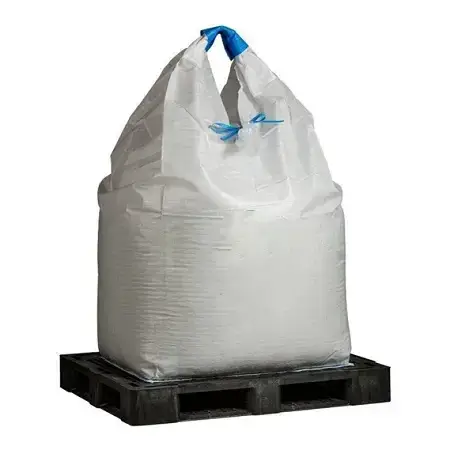
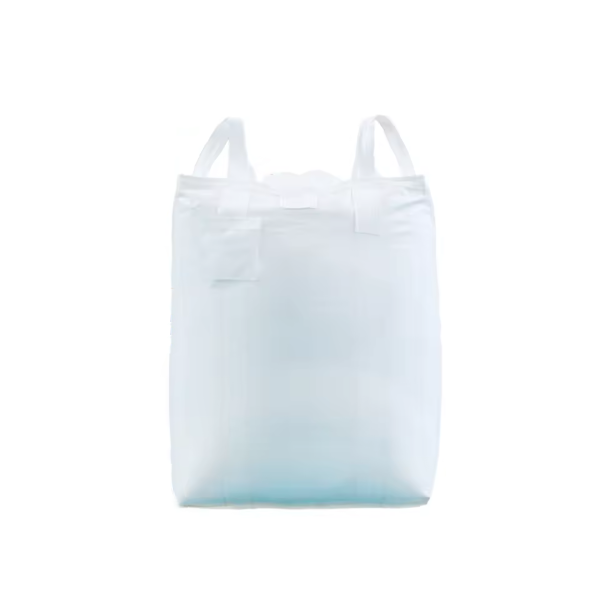
ZhengYi lists a 1000kg Food Grade FIBC Jumbo Bag for Food Storage as one food-application product reference. Buyers should still confirm the exact bag dimensions, filling and discharge design, liner requirement, safe working load, safety factor, printing, inspection, and document scope for their own order rather than approving from the product name alone.
How Should Buyers Review the Liner?
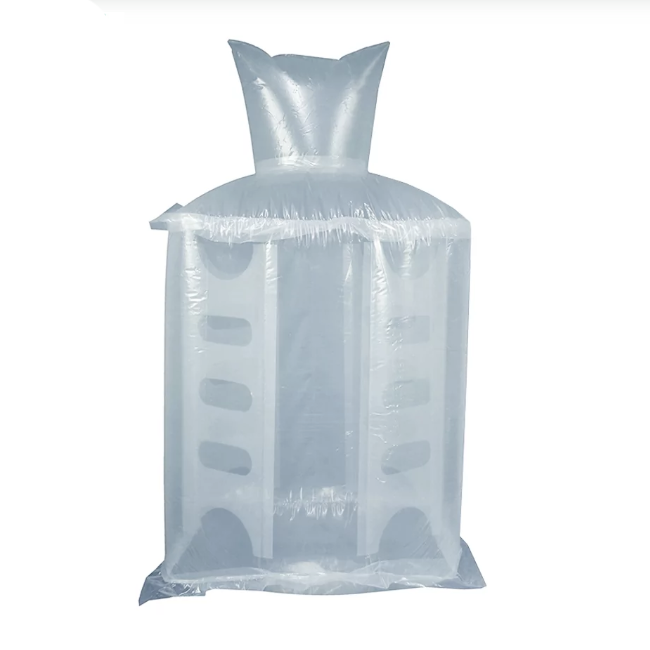
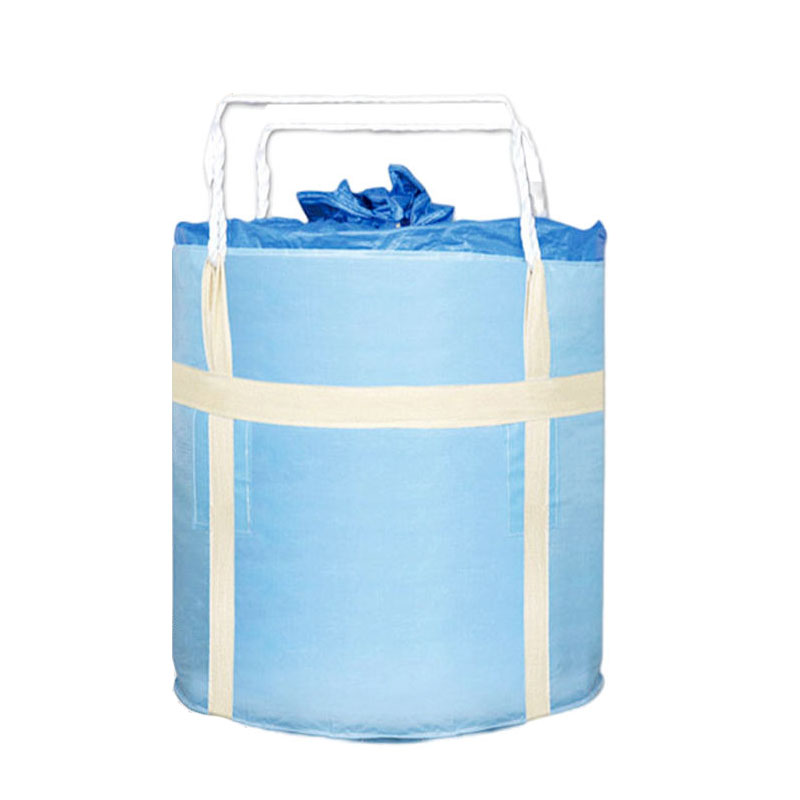
For food-contact procurement, the liner question is not simply whether a PE liner is present. The buyer should connect the liner to the packed material, barrier need, discharge behavior, fit inside the FIBC, and the food-contact evidence required for the destination.
- Whether a liner is required at all
- Which liner surfaces contact the product
- How the liner is fixed, shaped, or supported inside the bag
- Whether the liner can interfere with filling or discharge
- Moisture, powder-containment, or barrier requirements
- How liner material and production lot are traced to the finished FIBC lot
- How liner changes are communicated before production
For broader technical comparison, buyers can use ZhengYi’s existing guide on how to choose an FIBC liner for powders and granules. In a food-grade supplier audit, the additional requirement is documentary linkage between the approved liner and the production lot.
What Hygiene Controls Should the Supplier Explain?
“Clean factory” is not an auditable requirement. Buyers should ask how contamination is controlled from fabric preparation through sewing, inspection, packing, storage, and container loading.
| Hygiene Area | Buyer Evidence to Review | Risk if Treated as a Marketing Claim |
| Production zoning | How food-application production is separated or controlled relative to other work | Unclear material and personnel movement can increase contamination risk. |
| Housekeeping and cleaning | Defined cleaning responsibilities, frequency, records, and treatment of production equipment | Cleanliness depends on individual practice instead of a repeatable routine. |
| Foreign-body control | Rules for loose items, broken tools, thread, debris, and final inspection | Finished bags can contain contamination not visible in paperwork. |
| Pest control and storage | Warehouse condition and evidence of pest-control and storage practices | Clean production can be compromised after the bag leaves the production area. |
| Personnel hygiene | Entry rules, clothing requirements, hand hygiene, and response to nonconforming conditions | Hygiene requirements remain general statements rather than controlled actions. |
| Packing protection | Protection from dust, moisture, floor contact, and handling contamination | Approved bags can be contaminated during export preparation. |
An industry mistake is auditing the sewing room but ignoring finished-goods storage and container loading. For food ingredients, the hygiene chain should continue until the unused FIBCs leave the supplier’s custody.
How Should Lot Traceability Work From Raw Material to Shipment?
The buyer should be able to start with a shipment lot and work backward to relevant raw materials, production, inspection, packing, and the documents required by the purchase specification.
- Finished FIBC lot or batch code
- Body fabric lot
- Liner lot where a liner is used
- Other controlled material lots required by the buyer
- Production and inspection records
- Quantity packed under each lot
- Pallet, bale, or other export-package identification
- Shipment or container reference
A hidden cost appears when traceability exists only at raw-material level but is lost after sewing or repacking. If a complaint occurs later, a limited issue can become a much larger investigation because the affected quantity cannot be isolated.
What Change-Control Rules Should Be Written Into the Purchase Specification?
| Possible Change | Buyer Control | Why Pre-Approval Matters |
| Body fabric or coating source | Require notification when the approved material identity changes. | Existing material declarations may no longer apply. |
| Liner material or construction | Require a revised liner data package and compatibility review. | Barrier, filling, discharge, and food-contact evidence can change. |
| Ink or printing process | Define whether the change requires buyer review based on the application. | Printing can introduce a new material into the approved construction. |
| Production location or process route | Require notification where hygiene or traceability controls could change. | The original supplier audit may no longer represent the production route. |
| Critical dimension or closure | Use drawing revision and sample approval before production. | The bag may no longer fit the filler, pallet, or discharge station. |
Which Inspection and Packing Records Matter Before Shipment?
Food-grade procurement should combine document approval with physical inspection. The release plan can include bag dimensions, inlet/outlet dimensions, seam and closure condition, visual cleanliness, liner presence and fit, printing, lot identification, packaging quantity, and outer-package condition.
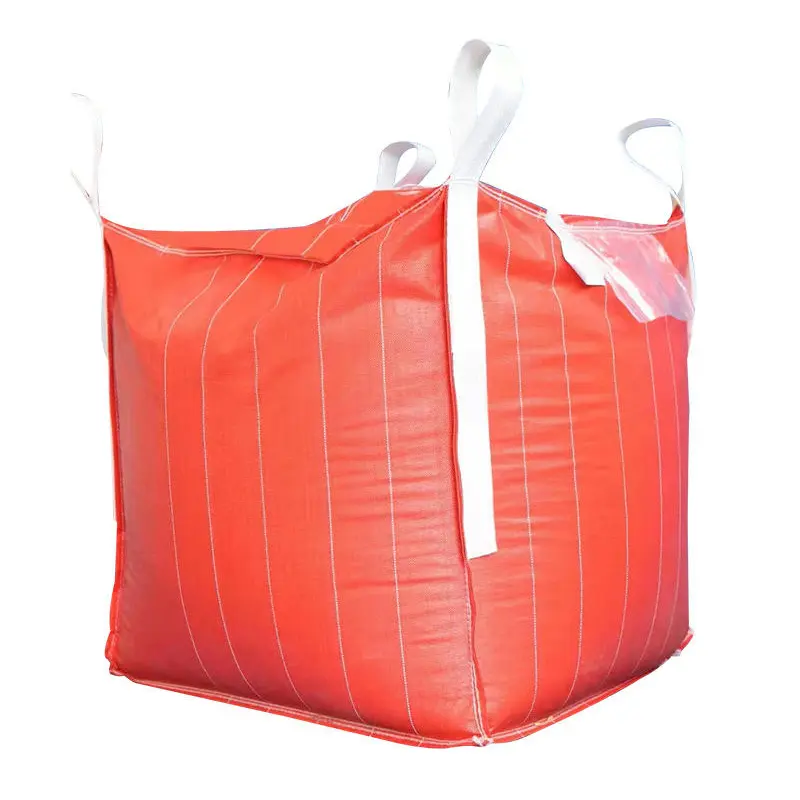
Another food-product reference in ZhengYi’s current database is the High Quality Food Grade FIBC Bulk Bags Polypropylene Woven Packaging. Buyers should use the product page as a starting point and require a quotation-specific drawing, material schedule, inspection plan, and evidence list before approval.
The RFQ should also define inner/outer packing, moisture and dust protection, package identification, storage before shipment, container cleanliness expectation, and any container-loading record required by the buyer.
What Does a Representative Supplier-Approval Scenario Look Like?
Scenario: A dry-food ingredient exporter is qualifying a new FIBC supplier for repeated bulk shipments. This is a representative procurement scenario, not a claimed ZhengYi customer case.
Business Background: The buyer previously purchased a standard food-use bulk bag through a distributor. A direct-source project is expected to reduce unit cost and allow custom dimensions and printing.
Problem: The first quotation includes the bag price and a general statement that the bags are suitable for food packaging, but the buyer cannot determine which materials are covered by the supplier’s documents or how finished lots are traced.
Cause: The RFQ asks for dimensions and quantity but does not define food-contact surfaces, destination requirements, liner, hygiene evidence, traceability format, change control, or shipment-release documents.
Solution: The buyer issues a supplier-approval checklist covering application, material schedule, liner, hygiene, traceability, inspection, packing, and change control. A sample order is reviewed against the same checklist that will be used for mass production.
Buyer Decision Value: The lowest bag price is no longer the only factor. The buyer compares evidence quality, change control, traceability, contamination risk, sample consistency, and the cost of a failed shipment or product complaint.
What Should a Food-Grade FIBC Supplier Approval Checklist Contain?
| Approval Section | Buyer Requirement | Supplier Response Required |
| Application | Packed product, contact surfaces, destination, filling/discharge, storage | Confirmation that the quoted configuration is based on these conditions |
| Bag specification | SWL, safety factor, dimensions, loops, inlet/outlet, seams, liner, printing | Drawing/specification with deviations clearly listed |
| Material evidence | Required declarations or reports for contact materials | Document list linked to the exact quoted materials |
| Hygiene controls | Production, cleaning, foreign-body, storage, and packing controls | Process description and records available for review |
| Traceability | Finished lot linked to materials, production, inspection, and shipment | Sample traceability record and lot-coding method |
| Change control | Pre-notification for material or process changes that affect approval | Written change-notification procedure |
| Inspection | Sample, lot inspection, acceptance criteria, and records | Inspection scope and report format |
| Commercial | Sample quantity, production quantity, forecast, destination, packing, delivery target | MOQ, lead time, customization, quotation validity, and exclusions |
Frequently Asked Questions
Is a “food-grade” label enough to approve an FIBC supplier?
No. The buyer should verify the exact application, contact materials, required destination evidence, hygiene controls, traceability, inspection, packing, and change control for the configuration being ordered.
Should the liner have its own documentation?
When the liner is part of the food-contact system, its material identity and any buyer-required declarations or test evidence should be linked to the approved liner and finished FIBC lot.
Do food-grade FIBCs always need the same certificate?
No. Required evidence depends on destination, customer specification, packed product, contact surfaces, and bag construction. Define the required documents in the RFQ.
What traceability information should appear on the shipment?
The buyer should be able to connect finished package or lot identification with production, inspection, relevant material lots, packing quantity, and shipment records.
Why is change control important for repeat orders?
A material, liner, ink, or process change can invalidate an earlier approval. Written notification lets the buyer review the change before the new configuration enters production.
What should be checked on a food-grade FIBC sample?
Check dimensions, closures, liner, seams, cleanliness, printing, lot identification, filling/discharge fit, and the documentation package that will accompany production lots.
What information should be included in the RFQ?
Include packed product, destination, contact surfaces, SWL, safety factor, dimensions, loops, inlet/outlet, liner, printing, hygiene and traceability requirements, inspection, packing, quantity, forecast, and delivery target.
Request a Food-Grade FIBC Documentation Review
Prepare the packed-product information, destination market, required food-contact evidence, bag drawing, SWL and safety factor, inlet/outlet, liner, printing, hygiene requirements, traceability format, inspection plan, quantity, forecast, packing, and delivery target. Submit them through ZhengYi FIBCs’ contact and quotation page. The team can review available food-grade FIBC configurations, identify missing specification or document requirements, discuss samples and customization, and return a quotation with stated assumptions, documentation scope, lead time, packing, and exclusions.