How Should Importers Audit an FIBC Bag Supplier for Fabric, Seam, and Batch Traceability?
2026-08-13
Direct answer: what should an importer audit before supplier approval?
An importer should qualify an FIBC bag supplier by tracing the controls behind the finished bag, not by inspecting one attractive sample or collecting certificates alone. The audit should connect the intended material and risk level to raw-material lots, woven-fabric controls, coating or liner requirements, cutting dimensions, seam construction, lifting-loop attachment, finished-bag inspections, test records, labels, nonconformance handling and batch codes. A trial order should then confirm that production bags match the approved specification and that records can trace a shipped batch back to relevant material and process evidence. The required audit depth must reflect the product handled, safe working load, safety factor, bag design and applicable buyer or market requirements.
What risk and use case should define the audit depth?
Begin with the material being packed and the complete use cycle: filling, storage, lifting, transport and discharge. Fine powder, food ingredient, mineral, agricultural material and regulated dangerous goods do not create the same control needs. Record bulk density, flow and dust behavior, moisture sensitivity, filling temperature where relevant, safe working load, safety factor, handling method, reuse classification, liner or coating need and any buyer-required documentation.
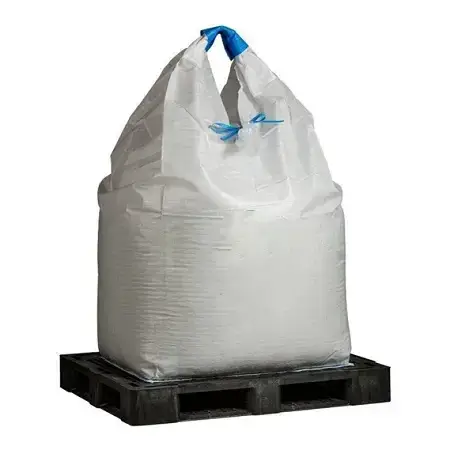
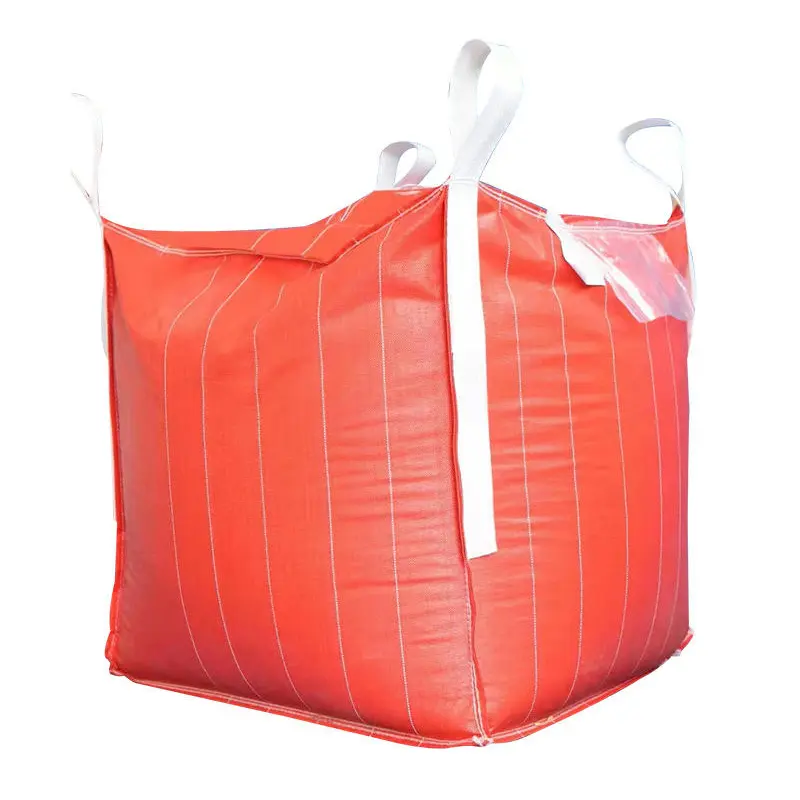
The FIBC bulk bag category includes different constructions, but a category name cannot substitute for application classification. Buyers can use the broaderindustrial packaging product rangeto identify related components and bag families, while higher-consequence applications require more explicit specifications, evidence and acceptance controls.
Audit area
Evidence to request
What the buyer verifies
Risk if omitted
Application definition
Material, SWL, safety factor and handling specification
Audit depth matches actual use
Wrong bag or test basis
Raw materials
Lot identification and receiving records
Specified inputs are controlled by lot
Untraceable material variation
Fabric process
Weaving, GSM, coating and width checks as specified
Fabric matches the approved construction
Dimensional or performance inconsistency
Conversion
Cutting, seam and loop work instructions
Critical construction details are repeatable
Weak or inconsistent lifting path
Finished bags
Inspection and agreed test records
Batch release follows the buyer plan
Defects reach shipment
Traceability
Bag/bale code and linked production records
A complaint can be traced to a defined batch
Broad recalls and slow root-cause work
Which raw-material records should be traceable by lot?
The buyer should identify which inputs are critical to the approved bag: woven polypropylene fabric, coating, sewing thread, lifting webbing, liner material, closures, labels and printing materials where applicable. The supplier should be able to show how received lots are identified, inspected or verified, stored and released to production.
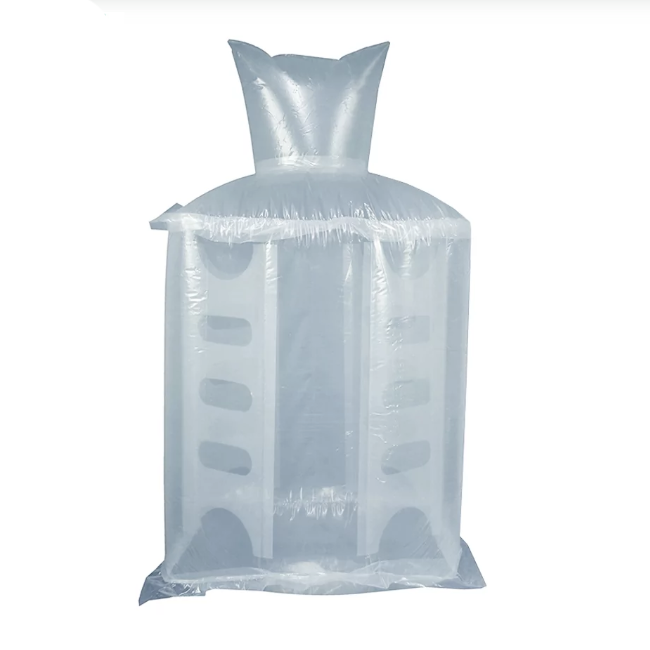
Do not ask only whether fabric has a specified GSM. Confirm the agreed measurement method, tolerance, sampling frequency and link between recorded results and production lot. When a big bag lineris part of the design, liner material, dimensions, forming method and interface with the outer FIBC also belong in the traceability boundary.
How should fabric, cutting, seams and lifting loops be controlled?
Fabric control should cover the properties named in the approved specification, such as construction, width, weight, coating or other relevant features. Cutting instructions should define panel and opening dimensions, orientation and identification. Seam instructions should identify seam location, type, thread and any sift-resistant construction the buyer requires.
Lifting loops are part of the load path. Audit loop material identification, length and placement, attachment geometry, sewing pattern and inspection criteria. A visually neat seam is not proof of consistent strength. Buyers should compare production instructions, in-process checks and finished-bag evidence rather than relying on operator experience alone.
Which finished-bag dimensions and tests need evidence?
Translate the purchasing specification into measurable release criteria. These may include overall dimensions, openings, spouts, loop positions, coating or liner configuration, printing, labels, workmanship and agreed performance tests. The inspection plan should state the sampling basis, method, tolerance, record format and action for a failed result.
Not every test is necessarily performed on every production batch. The buyer should define which checks apply to routine production, which apply to design validation or periodic verification, and which require third-party or regulatory evidence. Avoid accepting a generic test report that cannot be connected to the ordered construction.
How should labels and batch codes connect to records?
A useful batch code should lead to the production order, bag specification revision, production date or shift, relevant material lots, inspection records and release status. The label itself should match the buyer-approved content, language and placement. Bale or pallet identification should preserve the link through packing and shipment.
The supplier also needs a controlled response to nonconforming material or bags: identification, segregation, review, disposition, corrective action where required and prevention of accidental shipment. This process matters more than a promise that defects never occur.
What should a trial order and inspection plan verify?
Trial-order checkpoint
Acceptance evidence
Batch-control decision
Specification match
Approved drawing/specification versus production bag
Freeze the accepted revision
Dimensions and construction
Sampled measurements and workmanship record
Confirm tolerances and sampling plan
Seams and loops
Construction inspection and agreed test evidence
Define release and escalation criteria
Liner/coating
Material, fit and interface confirmation
Record approved configuration
Labels and packing
Approved artwork, codes, bale and shipping marks
Link shipment units to batch records
Document handover
Inspection/test package required by the PO
Make documents a release condition
A trial order tests the supplier’s production and record system, not just its ability to make a hand sample. Hidden costs appear when rejected bags, replacement freight, repacking, delayed customer approval or broad batch investigation are excluded from the initial price comparison.
Which supplier evidence belongs in the RFQ?
Product handled, bulk density and relevant process conditions
Safe working load and required safety factor
Bag construction, dimensions, openings and lifting arrangement
Fabric, coating and liner requirements
Seam, thread and lifting-loop requirements
Inspection, sampling and test plan
Label content, batch-code format and packing marks
Lot size and required traceability records
Trial quantity, acceptance method and document-release conditions
Frequently asked questions
Is a supplier certificate enough for FIBC approval?
No. Verify that relevant evidence applies to the ordered construction and that routine production controls and traceability are defined.
Can one approved sample prove batch consistency?
No. A sample confirms one item. A trial order and production records provide evidence about repeatable process control.
Should every batch receive every possible test?
Not automatically. The buyer should define routine, periodic, design-validation and third-party tests according to risk and requirements.
What should an FIBC batch code trace?
It should connect the shipped unit or bale to the production order, specification revision, relevant material lots, inspection records and release status.
Why audit lifting-loop attachment separately?
Loops and their attachment are part of the lifting load path, so material, geometry, sewing and inspection require explicit control.
How should importers compare supplier prices?
Normalize construction, inspection, testing, documents, packing and corrective-action boundaries before comparing unit price.
What should happen when an inspection result fails?
The plan should define segregation, review, disposition, corrective action where needed, retesting and shipment-release authority.
Prepare an evidence-based supplier qualification request
Provide the packed material, SWL and safety-factor requirement, bag construction, fabric/coating/liner details, seam and loop requirements, inspection plan, labels, lot size, traceability expectations and trial-order acceptance method. ZhengYi FIBCs can use these inputs to review a suitable bag configuration and clarify the evidence required with a quotation. Submit the package through the FIBC supplier inquiry page.