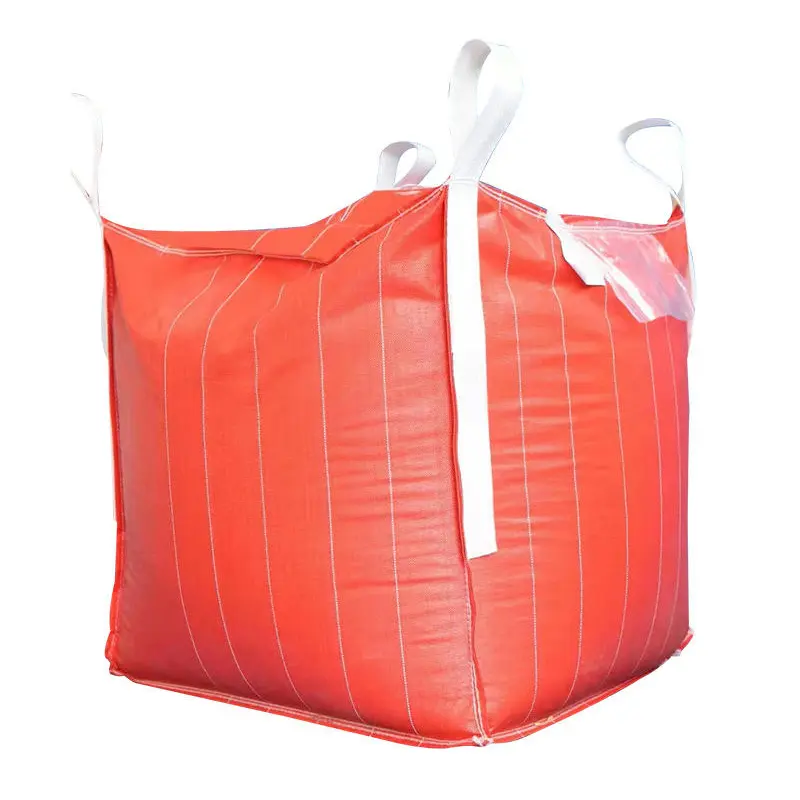
How Should Buyers Specify Food-Grade FIBC Fill and Discharge Spouts for Fine Powders?
2026-08-13
Direct answer: how should a fine-powder spout system be specified?
Buyers should specify fill and discharge spouts for food grade FIBC bulk bags from the powder and process interface—not from nominal bag capacity alone. The RFQ should define powder type, bulk density, particle and dust behavior, filling-head outside diameter and usable engagement length, fill rate, air displacement or dust-extraction arrangement, closure method, liner requirement and connection, discharge equipment, required flow control, safe working load, hygiene boundary and inspection plan. A sample should be tested on the actual or representative filling and discharge equipment before bulk approval. “Food grade” documentation and a correct bag volume cannot compensate for an undersized spout, poor liner connection, uncontrolled dust or a discharge outlet that does not fit the hopper.
What powder and process data should buyers collect first?
Start with the material name and relevant handling properties: bulk density, particle size or fineness, flowability, tendency to bridge or compact, dust generation, aeration, moisture sensitivity and any verified product-contact or contamination-control requirements. Record the target net weight and check whether the resulting volume fits the bag dimensions and filling conditions.
The food-grade FIBC category provides the product starting point, but the operating interface determines the spout construction. A free-flowing granule and a fine, aerated powder may need very different filling and discharge controls at the same nominal weight.
Powder/process condition
Spout or bag risk
Buyer check
Sample evidence
Fine, dusty powder
Dust escape through interfaces or seams
Fill connection, closure and sift-resistance requirement
Observed filling trial and cleanliness record
Aerated product
Temporary volume increase and unstable filling
Fill rate, venting and settling allowance
Filled profile and weight consistency
Poor-flowing powder
Bridging or incomplete discharge
Outlet geometry and downstream assistance method
Controlled discharge trial
Moisture-sensitive ingredient
Ingress through fabric, seams or closure
Coating/liner and closure boundary
Approved construction and seal inspection
Fixed filling head
Spout does not clamp or seal correctly
Head diameter, engagement length and clamp arrangement
Dimensional fit photo and trial result
Controlled hopper discharge
Outlet does not fit or flow cannot be stopped
Hopper inlet, access, tie and closure method
Operator discharge assessment
How should the fill spout match the filling head?
Measure the filling head where the spout actually fits. Record outside diameter, available insertion or overlap length, clamp type, surrounding clearance and any inflatable seal or dust-extraction connection. The spout needs enough usable circumference and length for secure engagement without creating folds that prevent sealing.
Also define the fill rate and how displaced air leaves the bag. A spout selected only from bag volume may slow the process, leak dust or detach under airflow. Ask the supplier for a dimensional drawing and confirm the fit on a sample rather than relying on terms such as “standard fill spout.”
When are dust-tight or sift-resistant construction checks needed?
Fine powders can migrate through stitch lines, fabric interfaces and poorly closed spouts. Buyers should identify where product loss or contamination risk is unacceptable and specify the required fabric/coating, seam construction, closure and liner boundary. Avoid an absolute “sift-proof” promise unless the exact construction and application have been tested against agreed acceptance criteria.
During the filling trial, inspect the fill-head connection, top closure, seams, liner connection and the area beneath the bag. Record product residue, visible dust escape, spout movement and cleanup requirements. These operational results are more useful than a generic construction claim.
How should the liner connect to the fill and discharge path?
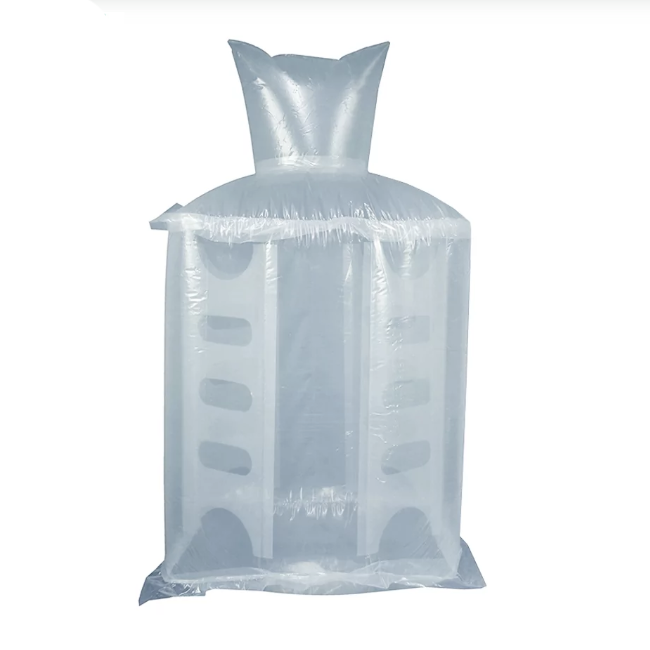
If a liner is required, define whether it is loose, tabbed, attached or form-fit, and how its openings align with the outer-bag spouts. The liner fill neck must connect without folding into the product stream or pulling free during filling. At discharge, the liner should remain controlled so it does not obstruct flow or enter downstream equipment.
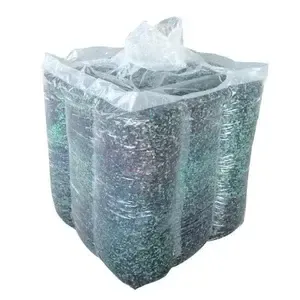
A 1000 kg form-fit liner bag is one available configuration for powder and granule discussions. The buyer must still confirm dimensions, material, interface and application suitability. Leaving “liner required” as the only RFQ instruction often creates wrong neck sizes, excess film or an uncontrolled discharge interface.
Which discharge style fits the downstream process?
Map the discharge sequence from lifting the bag to emptying and removal. Record the hopper inlet dimensions, available headroom, operator access, need for controlled or partial discharge, closure and retie method, flow-aid equipment, dust extraction and the method used to prevent liner or fabric from entering the process.
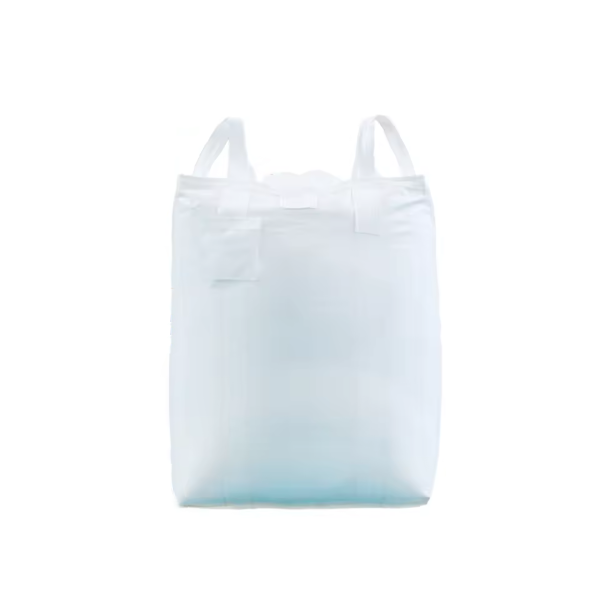
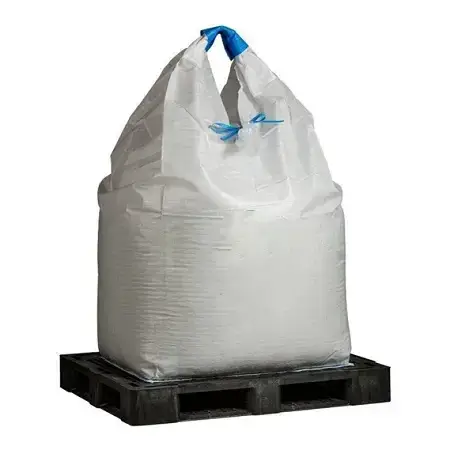
A plain bottom, discharge spout or other outlet should be selected against this sequence. For a spout outlet, define diameter, length, closure, protective flap and how the operator safely accesses it. A larger outlet may increase flow but can reduce control; a smaller outlet may bridge or extend unloading time.
What hygiene and inspection boundaries should buyers define?
State the required manufacturing, handling, packaging and document conditions without attributing unverified certification to the supplier. Define product-contact materials, cleanliness inspection, foreign-material controls, liner handling, bag protection during packing and transport, label content and batch traceability. Local or customer-specific compliance must be verified for the project.
A relevant product such as food-grade polypropylene woven FIBC packaging can support a configuration discussion, but the buyer should request evidence applicable to the exact ordered construction rather than infer compliance from the product name.
Which dimensions and process facts belong in the RFQ?
RFQ field
Required buyer input
Acceptance evidence
Product
Powder type, bulk density and behavior
Representative material or agreed simulation
Filling
Head diameter, engagement, clamp, fill rate and dust control
Sample fit and filling observation
Top closure
Closing, tying or sealing method
Closed-bag inspection
Liner
Need, material, form and neck interface
Approved drawing and fit trial
Discharge
Hopper interface, flow control, access and outlet closure
Controlled discharge result
Bag duty
Target weight, SWL, handling and dimensions
Specification and inspection record
Hygiene
Project-specific cleanliness, packaging and documentation
Applicable records tied to the order
Frequently asked questions
Can buyers choose a fill spout from bag capacity alone?
No. Match the filling head, clamp, airflow, dust behavior, fill rate and required closure.
How much larger should a spout be than the filling head?
There is no universal allowance. Measure the actual head and clamping method, then approve a dimensional drawing and sample fit.
Does a liner automatically prevent fine-powder leakage?
No. Liner material, seams, neck interfaces, closure and handling all affect the complete containment path.
When is a discharge spout preferable?
It can suit controlled hopper feeding, but outlet size, flow behavior, access, closure and downstream equipment must be matched.
Can the supplier guarantee sift-proof performance?
Buyers should avoid an unsupported universal guarantee and instead define the construction, test conditions and acceptance criteria.
What should a sample trial include?
Use representative powder and equipment to check filling fit, dust, closure, bag stability, liner behavior and controlled discharge.
Does “food grade” prove all local compliance requirements?
No. Request evidence for the exact bag and verify it against the destination market, product and buyer requirements.
Request a fill-and-discharge configuration review
Provide the powder and bulk density, dust and flow behavior, filling-head dimensions, fill rate, closure method, liner interface, discharge equipment, target weight, SWL, hygiene requirements and sample-test plan. ZhengYi FIBCs can use this information to review a suitable spout and bag configuration and prepare a project quotation. Send the process details through the food-grade FIBC inquiry page.